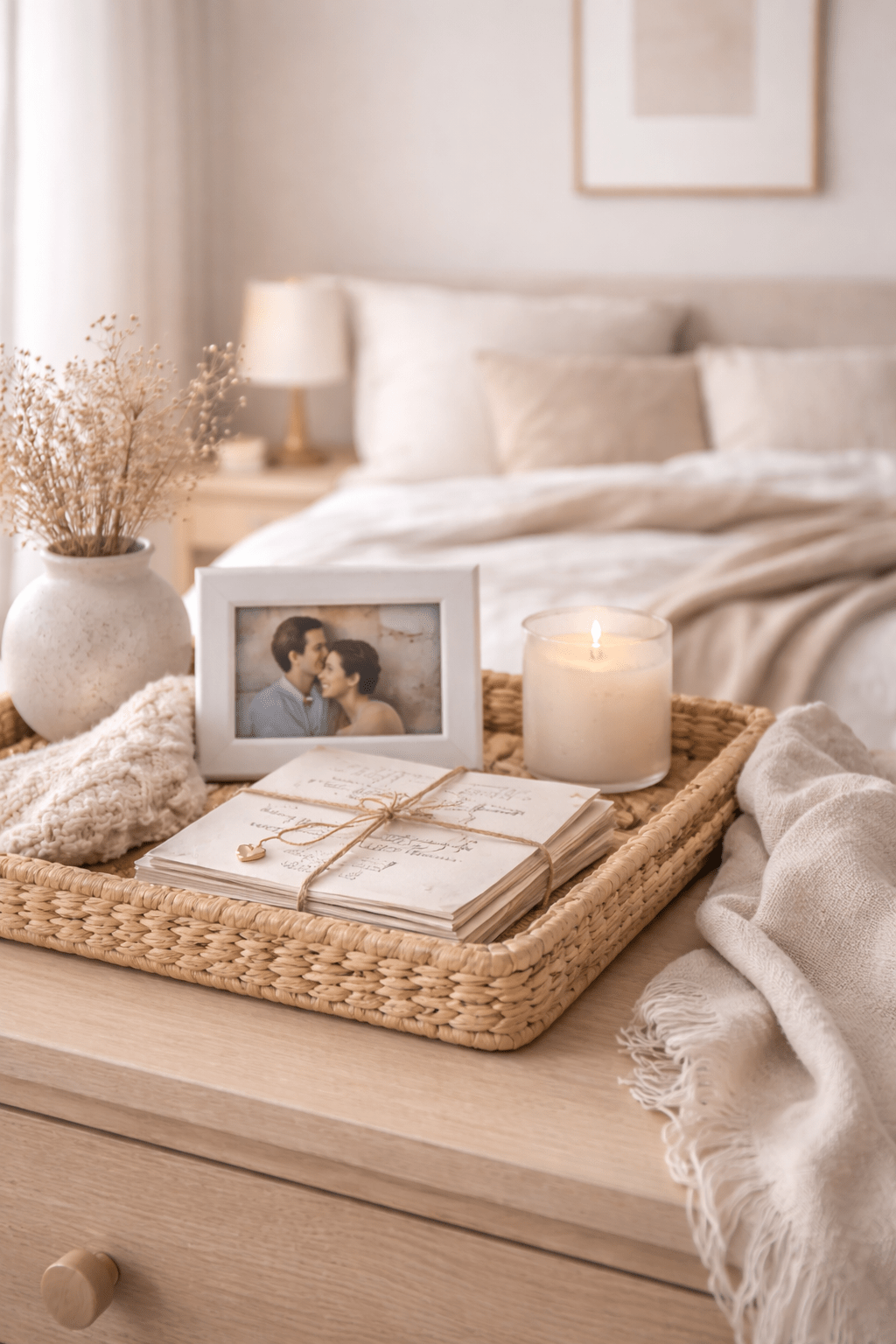
Not all clutter is physical.
Some of it is emotional—and it’s often the hardest to talk about.
Emotional clutter isn’t about messiness or laziness. It’s about the stories, expectations, and attachments we quietly carry—sometimes long after they stop serving us.
This post isn’t about forcing yourself to let go.
It’s about understanding why certain things feel harder to release—and how to move forward with kindness.
What Emotional Clutter Actually Is
Emotional clutter shows up as items we keep because of:
- Guilt
- Obligation
- Fear of regret
- “Just in case” thinking
- Old versions of ourselves
These items aren’t neutral. They hold weight.
And when too much emotional clutter builds up, it can make a home feel heavy—even if it looks “organized.”
Why We Hold On (Even When We Want to Let Go)
Most emotional clutter stays for very human reasons.
1. It Represents a Version of Us We Once Were
Past hobbies. Old clothes. Aspirations that no longer fit.
Letting go can feel like admitting something ended—even if ending was the right thing.
2. It Carries Someone Else’s Expectations
Gifts. Hand-me-downs. Items tied to family pressure.
Sometimes we keep things to protect relationships—even when the item itself brings no joy or use.
3. It Feels Like Proof
Proof that we cared.
Proof that something mattered.
Proof that we tried.
But memories don’t live in objects—they live in you.
The Problem With Emotional Clutter
Emotional clutter quietly:
- Drains energy
- Creates avoidance
- Adds guilt to everyday spaces
- Makes organizing feel overwhelming
When every decision feels emotional, progress stalls.
That’s not a failure—it’s a signal.
A Gentler Way to Approach Emotional Clutter
This is not about decluttering everything that hurts.
Instead, try this:
Separate emotional awareness from physical action.
You don’t have to let go right away to make progress.
Tiny Wins That Don’t Require Letting Go
You can reduce emotional weight without discarding items.
Try one:
- Move emotional items out of daily-use spaces
- Group them into one contained area
- Label a bin “Not Ready Yet”
- Choose one item to thank and release—only if it feels right
Tiny wins still count when the work is emotional.
Ask Better Questions (No Pressure)
Instead of “Should I keep this?” try:
- Does this support who I am now?
- Does this belong in my everyday space?
- Would I notice if this were gone?
These questions invite clarity—not guilt.
What Emotional Decluttering Is Not
Let’s clear this up:
❌ Not rushing
❌ Not forcing closure
❌ Not reliving memories
❌ Not proving strength
It is:
✔ Awareness
✔ Choice
✔ Compassion
✔ Self-respect
You’re Allowed to Go Slowly
Some items are meant to be kept.
Some are meant to be released later.
Some just need to be moved out of the way so you can breathe.
There is no timeline.
A Gentle Emotional Reset (Pick One)
- Acknowledge one item you’re not ready to decide on
- Move one emotional item out of sight
- Let go of one thing that feels complete
- Stop early and notice the relief
That is enough for today.
Emotional Space Creates Physical Calm
When emotional weight lightens, physical spaces follow.
Not instantly.
Not dramatically.
But steadily.
Tiny shifts create room to rest.
💛 Follow Through: Support Your Rest
If emotional clutter is showing up most in your bedroom, the next best step is creating a space that supports rest—not reflection.
👉 Read next: Bedroom Reset That Supports Better Sleep
A calm bedroom helps your nervous system settle while you do this deeper, quieter work.
💬 Join the Conversation
Join the conversation—share your tiny wins with me. 💛 Hit reply or drop a comment and tell me one small thing you did today that made your home feel lighter.

Leave a comment