Want to see the tools and containers I actually use? Start with Shop HOMe →


“Tiny wins, calmer rooms, and gentle resets for real-life homes.”

Gentle home organizing for real women, busy minds, and messy seasons of life.

  • • If you don’t absolutely love it, need it, can’t live with out it. Don’t keep it if it’s not going to make your future better. Get rid of it so it does not hold you back.


    10 Organizing Rules That Make Life Easier (and Tidier!)

    If you’ve ever felt overwhelmed by clutter or struggled to keep your home tidy, you’re not alone. But here’s the good news: organizing doesn’t have to be complicated. A few simple, thoughtful principles can help bring lasting order and peace to your space.

    Let’s dive into 10 organizing rules that can truly transform the way your home functions.


    ✨ 1. Start With Less

    You can’t organize clutter—you have to declutter first.
    Before you even think about buying bins or creating labels, take time to sort through what you own. Be honest about what you actually use, need, or love. Let go of the rest. Less stuff makes organizing easier, maintaining it simpler, and living in your space more peaceful.

    Try this: Start small—maybe a junk drawer or a single shelf. You’ll be amazed how much clarity comes from clearing just one area.


    🏷️ 2. Group Like With Like

    This rule is a total game-changer. Store items by category: all office supplies in one place, all hair accessories together, all seasonal décor in one bin.

    When you group similar items:

    • You stop buying duplicates.
    • You can easily see what you have.
    • You always know where to find things.

    Bonus tip: Label your bins, drawers, or baskets to make this system foolproof for everyone in the household.


    🧺 3. Give Everything a Home

    If something doesn’t have a designated place to go, it becomes clutter—fast. That mail pile? Those rogue shoes by the door? They’re homeless.

    The key is to assign every item a clear, accessible home.

    Think about:

    • A basket by the entry for keys and wallets
    • A tray in the kitchen for salt, pepper, and oils
    • A drawer divider for tech chargers and cords

    Once something has a home, cleanup becomes second nature.


    ⏱️ 4. Make It Easy to Put Away

    We often focus on how pretty a space looks when it’s organized—but maintaining it is where the magic happens.

    If your organizing system is complicated, you (and your family) won’t stick with it. Choose function over perfection.

    Example:
    If your kids won’t fold clothes, give them open bins instead of drawers.
    If you hate stacking lids, store them upright in a divider.

    Remember: The easier it is to put things back, the more likely you’ll actually do it.


    🎯 5. Organize by Use, Not Just Category

    Where you store things is just as important as how.
    Put items where you use them.

    Examples:

    • Keep dog leashes near the front door.
    • Store cleaning supplies under each bathroom sink.
    • Place gift wrap near where you typically wrap gifts (even if that’s the bedroom floor!).

    This reduces steps, saves time, and keeps your space flowing naturally.


    📦 6. Contain It

    Containers are your best friend when it comes to maintaining order. They help define boundaries, hold categories together, and visually tidy even the most random collection of stuff.

    What to try:

    • Clear bins for pantry staples
    • Divided trays for junk drawers
    • Small baskets inside drawers for socks, cables, or pens

    You don’t need to spend a lot—repurpose boxes, jars, or containers you already have!


    🧽 7. Leave a Little Room

    You don’t have to fill every inch of a drawer, shelf, or closet.
    In fact, you shouldn’t.

    Leave breathing space so things aren’t crammed. That open space makes it easier to see what’s there, prevents overstuffing, and gives you room to grow.

    Try the 80% rule: Only fill a drawer or shelf 80% full. That extra 20% helps everything stay usable and calm.


    🌀 8. Think Function First, Pretty Second

    Yes, rainbow bookshelves and matching containers are beautiful. But don’t get caught up in perfection before your system actually works.

    Start by making sure the system:

    • Fits your routine
    • Is easy to use
    • Is easy to maintain

    Once you’ve nailed the function, then you can make it Pinterest-worthy with colors, labels, and aesthetic touches.


    🔁 9. Reset Often

    Organizing isn’t a one-time event. Life happens. Things move. Systems drift.

    The secret is in the reset.

    Set aside 5-10 minutes at the end of each day to tidy up your most-used zones (like kitchen counters or your desk). Do a deeper reset weekly or monthly to keep everything humming.

    These tiny resets help avoid overwhelm and keep your spaces feeling fresh and under control.


    💡 10. Progress Over Perfection

    This might be the most important rule of all. Your home doesn’t have to look like a magazine spread. It just has to workfor you.

    Start small. Celebrate tiny wins. Don’t wait for the perfect time, perfect supplies, or perfect motivation. Just begin.

    Progress adds up—and progress brings peace.


    Final Thought:

    Organizing isn’t about having a “perfect” home—it’s about creating a space that works with you, not against you.
    So whether you’re starting from scratch or just need a little reset, these rules are your guide to making life feel lighter, calmer, and more manageable.

    You’ve got this. 💛

  • Absolutely! Here’s a more friendly, informative, and polished version of your post that keeps your voice while giving it some structure and clarity—like you’re chatting with a fellow crafter over coffee:


    🎨 Craft Storage Ideas When You’re Short on Space (But Big on Creativity!)

    Crafts—we all love the creativity, the mess, and the magic that comes with making something by hand. But let’s be real: where do you put all the stuff that comes with it?

    Maybe you’ve got a box, a closet, or—if you’re really lucky—a whole room for your creative projects. But if you’re like many of us, your craft stash has outgrown its space. Maybe you’ve got more yarn than your drawer can handle, or more beads than your boxes can contain. If that sounds familiar, you’re not alone—and you’re definitely not out of options.

    Whether you need a total craft supply makeover or just want some ideas to help keep things tidy, read on. I’ve got some creative storage tips and a real-life example of how I turned a tool cabinet into a craft supply haven!


    🧰 Think Outside the (Craft) Box

    If you don’t have a dedicated space, try repurposing furniture you already have:

    • bookshelf with decorative boxes can hold all kinds of materials.
    • An old wardrobe can become a craft closet with a few tweaks.
    • dresser with wide drawers is perfect for paper, fabric, or even yarn.
    • And my personal favorite—a tool cabinet!

    There are so many unexpected places you can store your craft items. Get creative! If you’ve found a genius solution, share it in the comments below—I’d love to hear about it.


    🛠️ My Craft Cabinet Makeover: From Tools to Treasures

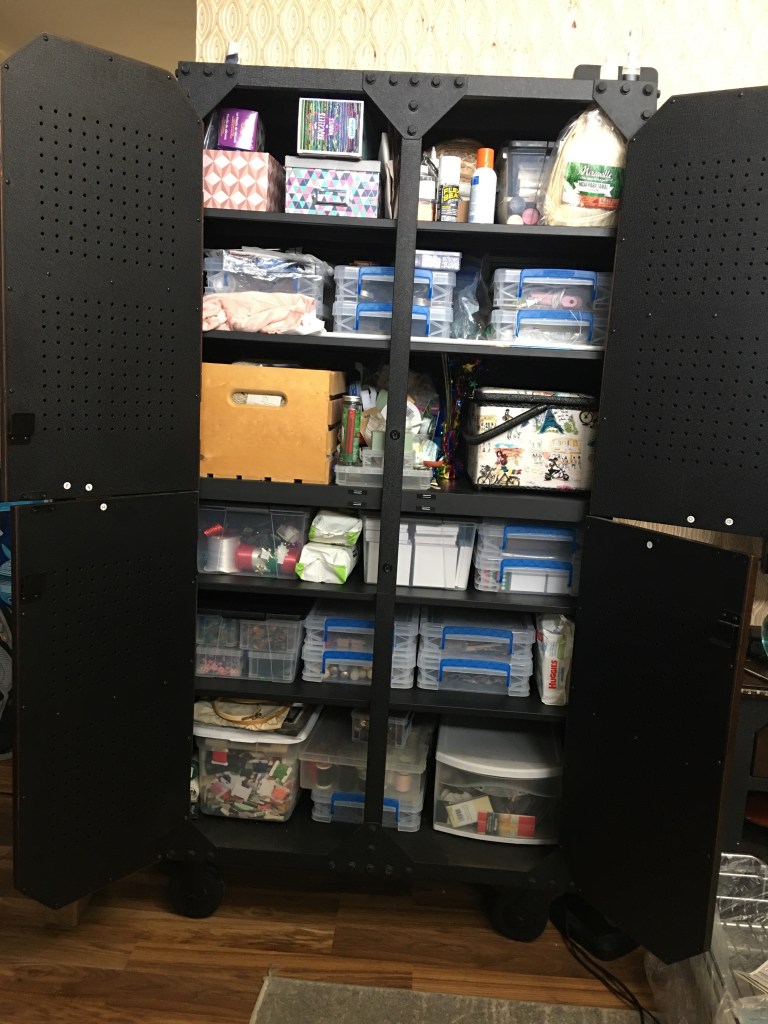
    I use a modified tool cabinet with 6 shelves—three on the top, three on the bottom—to store all my craft supplies. It holds everything from paper and paints to yarn and buttons. Here’s how I transformed it:


    ✨ Step 1: Clean and Prep

    Start fresh by emptying everything out of your cabinet or storage space.
    Wipe it down, check that it’s in good shape, and make any small repairs if needed. Think of it as creating a clean slate for creativity!


    ✂️ Step 2: Sort and Declutter

    Go through everything and edit wisely. Keep what you love and use, and let go of the rest. Not sure where to donate?

    • Local schools
    • Daycares
    • Senior centers
    • Community art programs

    They’re often thrilled to receive gently used supplies. 🎁


    📦 Step 3: Create Zones That Work for YOU

    How many different types of crafts are you storing? My cabinet has space for around 1–12 zones. Some categories naturally group together:

    • Art Zone: Paints, sketch pads, coloring books, crayons
    • Sewing Zone: Hand sewing kits, machine sewing tools
    • Kids Craft Zone: Glue sticks, fun foam, popsicle sticks
    • Gifting Zone: Wrapping paper, ribbon, tags

    Here’s my own list of categories:

    • Painting
    • Kids Crafts
    • Tools
    • Knitting/Crochet
    • Sewing
    • Gifting
    • Buttons
    • Candles
    • Cross Stitch

    Some of these I grouped together, others I pared down to essentials.


    🎨 My Must-Have Category: Art

    This is my “can’t live without it” category. I love having:

    • Paint and canvases
    • Sketch pads and pencils
    • Coloring books and crayons

    I start most of my projects with a sketch—it helps me troubleshoot and plan before jumping in. But your process might be totally different. You do you! That’s the beauty of crafting—there’s no wrong way.


    🧵 My Runner-Up: Sewing

    I keep the essentials in a cute, portable sewing box and organize the rest in bins and boxes. Easy to grab, easy to put back.

    I’ll be honest—I’m an impulse crafter. If I can’t find what I need quickly, I get frustrated and move on to something else (like binge-watching HGTV or scrolling Pinterest for “inspiration” 🙃). So for me, accessibility is everything.


    💬 Your Turn!

    How do you store your crafts? Have you turned an unusual piece of furniture into the perfect storage solution? What categories do you have to make room for?
    Let me know in the comments—I love learning from fellow crafters!


    Craft cabinet


  • Let’s be honest—decluttering can be hard. Whether it’s that coffee mug you got on vacation, a drawer full of random cords, or a sweater you haven’t worn in two winters, letting go can feel surprisingly emotional.

    But here’s the truth: clutter creates stress. It slows us down, clouds our thinking, and takes up space we could use for what actually matters.

    So how do you declutter ruthlessly—without feeling guilty or overwhelmed? Let’s break it down:


    ✨ 1. Adopt a “Less Is More” Mindset

    Start with the belief that less stuff = more freedom.

    More time. More clarity. More space to breathe.

    It’s not about getting rid of everything—it’s about keeping only what adds value to your life. Everything else? It’s just noise.


    🔍 2. Ask Better Questions

    Instead of asking “Could I use this someday?” (because the answer is always yes), ask:

    • Do I use this regularly?
    • Do I love it?
    • Would I buy this again today?
    • Is this worth the space it’s taking up?

    If the answer is no—let it go.


    🧺 3. Declutter by Category, Not Room

    Work by category (clothes, kitchen gadgets, books, etc.), not room-by-room. It’s easier to make decisions when you see everything you own in one group.

    Start with something easy like kitchen tools or towels to build momentum before tackling sentimental items.


    🧠 4. Embrace the “Just in Case” Trap

    Be honest: how many “just in case” items have actually come in handy?

    If you haven’t used it in the last year, odds are you won’t need it in the next one either. Trust yourself. You’ll figure it out if that rare situation ever arises.


    💌 5. Let Go of Guilt

    You are not obligated to keep something just because:

    • It was a gift
    • You spent money on it
    • You feel bad letting it go

    The value of that item already served its purpose. Release it—and the guilt—with gratitude.


    🧺 6. Use the 20/20 Rule

    If you can replace it for under $20 and in under 20 minutes, it’s probably safe to let it go. This rule is a game-changer for duplicates, “maybe” items, and supplies.


    🗃️ 7. Have a Donate Box Ready

    Make decluttering easy by keeping a donate box in a closet or garage. As you find items to release, toss them in. Once it’s full—donate it! No second guessing.


    📦 8. Remember: Storage is Not a Solution

    If you’re constantly “organizing” things into bins, baskets, and drawers—but never really using the stuff—you’re just rearranging clutter.

    Decluttering comes first. Organizing comes second.


    💡 Final Thought: Clarity Feels Better Than Clutter

    Every item you remove is a little victory. It’s one less thing to clean, maintain, or think about. It’s more space in your home, your schedule, and your mind.

    So go ahead—declutter ruthlessly. You’re not just getting rid of stuff—you’re making room for what matters most.


  • Title: How to Organize Your Kitchen for Function, Flow, and Joy

    The kitchen is the heart of the home. It’s where meals are made, conversations are had, and memories are created. But if your kitchen feels more chaotic than comforting, it might be time for a refresh. Organizing your kitchen doesn’t have to be overwhelming—it’s about creating a space that works for you, supports your daily routines, and inspires a sense of calm every time you walk in.

    Here’s how to transform your kitchen into a space that’s beautiful, functional, and easy to maintain:


    1. Start with a Clean Slate

    Begin by clearing off your countertops and emptying out your cabinets and drawers. Wipe down all surfaces so you’re working with a fresh, clean space. This is a great time to take inventory of what you own.

    Pro tip: Group similar items together—like all your baking supplies, spices, or food storage containers. You’ll start to see how much of each item you have and where clutter tends to build.


    2. Declutter Ruthlessly

    Ask yourself: Do I use this? Do I love this? If the answer is no, it may be time to donate, recycle, or toss it. Be especially mindful of duplicates (do you need four spatulas?), expired food, or appliances you haven’t touched in years.

    Let go of the guilt and remember: an organized kitchen starts with less.


    3. Create Zones for Efficiency

    Think about how you move in your kitchen. Group items by purpose and create zones:

    • Prep Zone: Knives, cutting boards, mixing bowls, and measuring cups.
    • Cooking Zone: Pots, pans, spatulas, oils, and spices—near the stove.
    • Cleaning Zone: Dish soap, sponges, and towels near the sink.
    • Storage Zone: Tupperware, foil, wraps, and food storage bags.
    • Coffee or Drink Station: Keep mugs, coffee pods, tea bags, and sugar all in one place.

    These zones save time and keep your space flowing naturally.


    4. Use Smart Storage Solutions

    Maximize every inch of cabinet and drawer space with these simple tools:

    • Drawer dividers for utensils and tools.
    • Lazy Susans for hard-to-reach items.
    • Pull-out shelves or bins for deep cabinets.
    • Over-the-door organizers for pantry or cleaning supplies.
    • Clear containers for pantry staples—bonus points if they’re labeled!

    The goal: make everything easy to see and access.


    5. Keep Counters Clutter-Free

    Only store daily essentials on your countertops—think coffee maker, toaster, or a fruit bowl. A clear surface not only looks better, but it also makes prep and cleanup easier.


    6. Label and Maintain

    Labels make it easy to find what you need—and even easier to put things back where they belong. Create a simple system you can keep up with. Once your kitchen is organized, make it a habit to do a quick weekly reset.


    7. Add a Touch of Personality

    Once the organizing is done, add a little you to the space! A small plant, a piece of artwork, or a cozy rug can make your kitchen feel warm and welcoming.


    Final Thoughts

    A well-organized kitchen isn’t about perfection—it’s about creating a space that makes cooking, eating, and gathering easier and more enjoyable. With a few thoughtful steps, your kitchen can become one of your favorite places in the house.

    So take it one drawer at a time, and remember: progress over perfection. Happy organizing!


  • Refrigerators are typically divided into distinct zones, each with its own temperature characteristics suited for specific types of food. Here’s a breakdown of the most common zones and their uses:

    1. Top Shelves (Upper Zones)  

    – Characteristics: These are usually the most consistent in temperature.  

    – Best For: Ready-to-eat foods like leftovers, drinks, yogurts, and small snacks.  

    2. Middle Shelves  

    – Characteristics: Slightly cooler than the top, still fairly stable.  

    – Best For: Dairy products such as milk, cheese, and eggs (if not stored in the door). This area also suits packaged or prepped meals.  

    3. Bottom Shelf  

    – Characteristics: The coldest part of the refrigerator (aside from designated drawers).  

    – Best For: Raw meats, poultry, and seafood. Always store these in leak-proof containers to prevent contamination.  

    4. Crisper Drawers  

    – Characteristics: Humidity-controlled zones at the bottom of the fridge.  

    – Best For:  

       – High-Humidity Setting: Vegetables like leafy greens, carrots, and broccoli.  

       – Low-Humidity Setting: Fruits like apples, berries, and citrus.  

    5. Door Shelves  

    – Characteristics: The warmest area of the fridge due to frequent opening and closing.  

    – Best For: Condiments, sauces, pickles, and smaller bottles. Avoid storing milk or eggs here, as they need cooler conditions.  

    6. Freezer Section 

    – Characteristics: Sub-zero temperatures ideal for long-term storage.  

    – Best For: Frozen meals, ice cream, meats for future use, and other freezer-friendly items.  

    By understanding and utilizing these zones effectively, you can keep your food fresher for longer and organize your refrigerator with ease.

  • General Organization Tips

    Group Similar Items Together: Keep all condiments in one area, dairy in another, and snacks in another. This way, you can quickly locate what you need without rummaging through random items.

    Label Everything: Use labels on containers or even on the shelves to clearly mark sections. It’s especially useful if others in the household access the fridge.

    FIFO Method (First In, First Out): Arrange older items toward the front and newer ones toward the back. This ensures you use products before they expire.

    Invest in Clear Containers: Transparent bins help you see what’s inside without opening them. They’re great for grouping similar items and keeping things tidy.

    Keep a Regular Inventory: Periodically check the contents and make note of items you need or ones that are close to expiring.

    Space-Saving Hacks

    Use Vertical Space: Stack items neatly and use shelf risers or dividers to create additional levels.

    Install Fridge Bins: Bins make organizing smaller items, like packets of spices or single-serve yogurts, much easier.

    Hang Items on the Fridge Door: Use small hanging baskets or organizers for items like tubes of condiments or smaller bottles.

    Maintenance Tips

    Keep It Clean: Wipe spills immediately to prevent odors or stickiness. Use refrigerator-safe mats for shelves to make cleaning easier.

    Rotate Weekly: Dedicate a quick weekly session to reorganizing items and discarding expired or spoiled foods.

    Avoid Overcrowding: Air needs to circulate for optimal cooling—don’t pack your fridge to the brim.

    Temperature Optimization

    Know the Zones: Certain areas of the fridge are naturally colder (like the bottom shelf), while the door shelves are warmer. Store items accordingly.

    Don’t Over adjust Settings: Set your fridge temperature to around 37°F (3°C) for the best balance of safety and freshness.

    Common Zones: These tips will not only improve the usability of your refrigerator but also minimize food waste and help maintain freshness.


  • The Refrigerator: The Unsung Hero of Your Kitchen

    The refrigerator is one of the most overlooked storage areas in your kitchen, yet it plays a vital role in maintaining your family’s health. It ensures your food stays fresh and safe, and a well-organized fridge can make meal prep a breeze. After you’ve emptied, cleaned, and sanitized your refrigerator it’s time to restock and organize. Let’s start from the top shelf and work our way down to create a system that makes sense and is easy to maintain.


    Step 1: The Top Shelf—Your Eye-Level Essentials

    The top shelf is prime real estate in your fridge. It’s the perfect spot for ready-to-eat foods and items you reach for frequently. Think yogurts, leftovers in clear containers, or pre-packaged snacks. Keep it simple: use a lazy Susan or baskets for easy access and to avoid pushing older items to the back. Pro tip: clear containers with labels ensure you never forget about what’s inside.

    ![Organized top shelf with snacks in clear containers]


    Step 2: The Middle Shelf—Drinks and Dairy

    The middle shelves are great for drinks like milk, juice, or soda, as well as eggs and other dairy products. Store items in the original packaging when possible, as they’re designed to maintain freshness. For taller items like milk jugs, adjustable shelves can make all the difference.

    ![Fridge middle shelf with drinks and eggs in labeled containers]


    Step 3: The Bottom Shelf—Meat and Ready-to-Cook Items

    The bottom shelf is the coldest area of your refrigerator, making it ideal for storing raw meat, poultry, or seafood. Use leak-proof containers to avoid cross-contamination, and keep these items separate from ready-to-eat foods. If you like to meal prep, this is also a good spot for neatly stacked containers of chopped veggies or prepped ingredients.

    ![Bottom shelf with raw meat in sealed containers]


    Step 4: The Drawers—Fruits and Vegetables

    Your fridge drawers are your produce’s best friends. Use one drawer for fruits and another for vegetables to maintain freshness longer. Adjust the humidity settings if your fridge has them—low humidity for fruits and high humidity for vegetables. Keep an eye on expiration dates and rotate older items to the front.

    ![Produce drawers with labeled sections for fruits and vegetables]


    Step 5: The Door—Condiments, Spices, and Small Items

    The door is the warmest part of the fridge, so reserve it for condiments, sauces, and smaller bottles like salad dressings and pickles. Avoid storing highly perishable items like milk or eggs here, as they’re better off in cooler areas of the refrigerator.

    ![Refrigerator door with organized condiments and small items]


    Maintaining the Order

    To keep your fridge tidy and functional, set a weekly reminder to remove expired items and reorganize. A quick clean-up every now and then can save you from unpleasant surprises and wasted food.

    Happy organizing! Your fridge—and your health—will thank you.


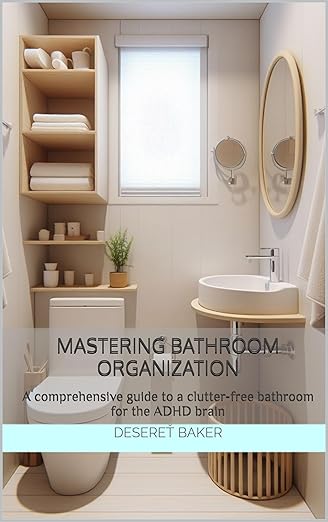
  • Welcome to “Mastering Bathroom Organization ,” where we will explore the essential steps to transform your bathroom into a serene and stylish sanctuary. From cleaning and decluttering to decorating and organizing, this comprehensive guide will help you create a space that promotes relaxation and rejuvenation.

    Chapter 1: Assessing Your Bathroom Space

    – Evaluate the layout and size of your bathroom, including storage options, countertop space, and overall functionality.

    – Identify areas of clutter, disorganization, and potential safety hazards that need to be addressed during the makeover process.

    – Consider your personal style preferences and desired ambiance to guide your decorating choices.

    Chapter 2: Deep Cleaning and Decluttering

    – Start by decluttering countertops, cabinets, and drawers, removing expired products, unused items, and clutter.

    – Scrub and sanitize surfaces, including countertops, sinks, toilets, tubs, and showers, using appropriate cleaning products.

    – Clean mirrors, windows, and light fixtures to remove dirt, grime, and water spots, ensuring a sparkling finish.

    Chapter 3: Decorating with Style and Functionality

    – Choose a color scheme or theme that reflects your personal style and complements the existing elements of your bathroom.

    – Incorporate decorative elements such as artwork, plants, candles, or decorative towels to add personality and warmth to the space.

    – Select coordinating accessories such as soap dispensers, toothbrush holders, and storage containers to enhance both style and functionality.

    Chapter 4: Maximizing Storage Solutions

    – Utilize vertical space with wall-mounted shelves, cabinets, or floating shelves to maximize storage capacity.

    – Organize cabinets and drawers with drawer organizers, shelf dividers, and storage bins to keep toiletries, towels, and other essentials neatly arranged.

    – Consider installing towel racks, hooks, or over-the-door organizers to keep towels and robes easily accessible and off the floor.

    Chapter 5: Creating a Spa-like Atmosphere

    – Incorporate luxurious touches such as plush towels, soft bath mats, and aromatic candles to create a spa-like ambiance.

    – Add soothing elements such as plants, essential oil diffusers, or a rainfall shower head to enhance relaxation and rejuvenation.

    – Consider adding a bathtub caddy or shower bench for added comfort and functionality during bath or shower time.

    Chapter 6: Incorporating Smart Organization Solutions

    – Utilize clear storage containers or jars to store cotton balls, swabs, and other small toiletries, keeping them visible and accessible.

    – Install a medicine cabinet or mirrored cabinet to store medications, first aid supplies, and personal care items out of sight but within reach.

    The book is now available on Amazon.com and kindle.com

    https://www.amazon.com/Mastering-Bathroom-Organization-comprehensive-clutter-free-ebook

    This is the second book in the series a new book will be added about every two months until the series is complete
  • Amazon.com: Mastering Bathroom Organization: A comprehensive guide to a clutter-free bathroom for the ADHD brain (The complete guide to home organization for the ADHD brain) eBook : Baker, Desereť: Kindle Store
    — Read on www.amazon.com/Mastering-Bathroom-Organization-comprehensive-clutter-free-ebook/dp/B0D2W1WDZH/ref=sr_1_2

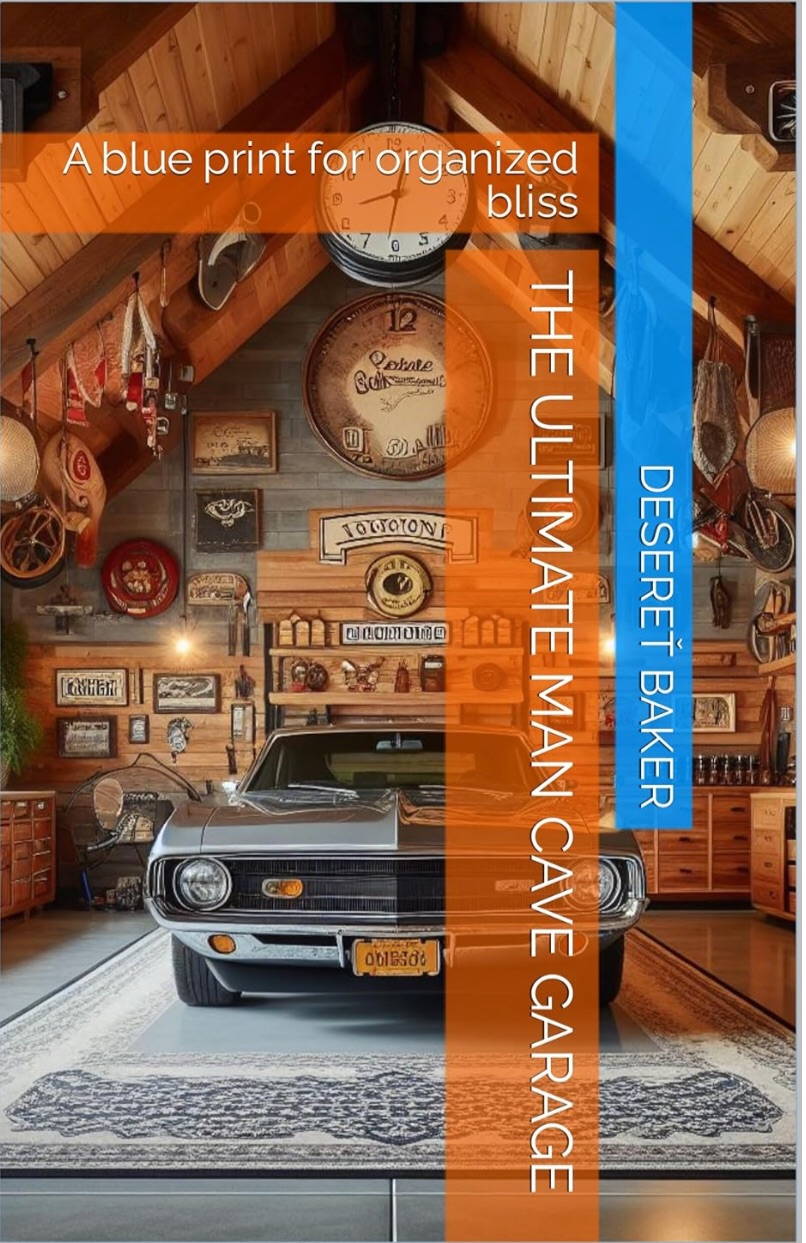
  • The Ultimate Man Cave Garage

    —The complete book now available where ever you buy your digital books

    1. Empty and Declutter:

       Start by emptying out the contents of your garage shelving and cabinets. Sort through each item and discard any items that are broken, expired, or no longer needed. Donate or sell items that are in good condition but no longer serve a purpose.

    2. Group Similar Items Together:

       Categorize your remaining items into groups based on their purpose or use. For example, group together tools, gardening supplies, automotive supplies, sports equipment, holiday decorations, and household items. This will help you see how much you have of each category and determine the best storage solutions.

    3. Choose Storage Solutions:

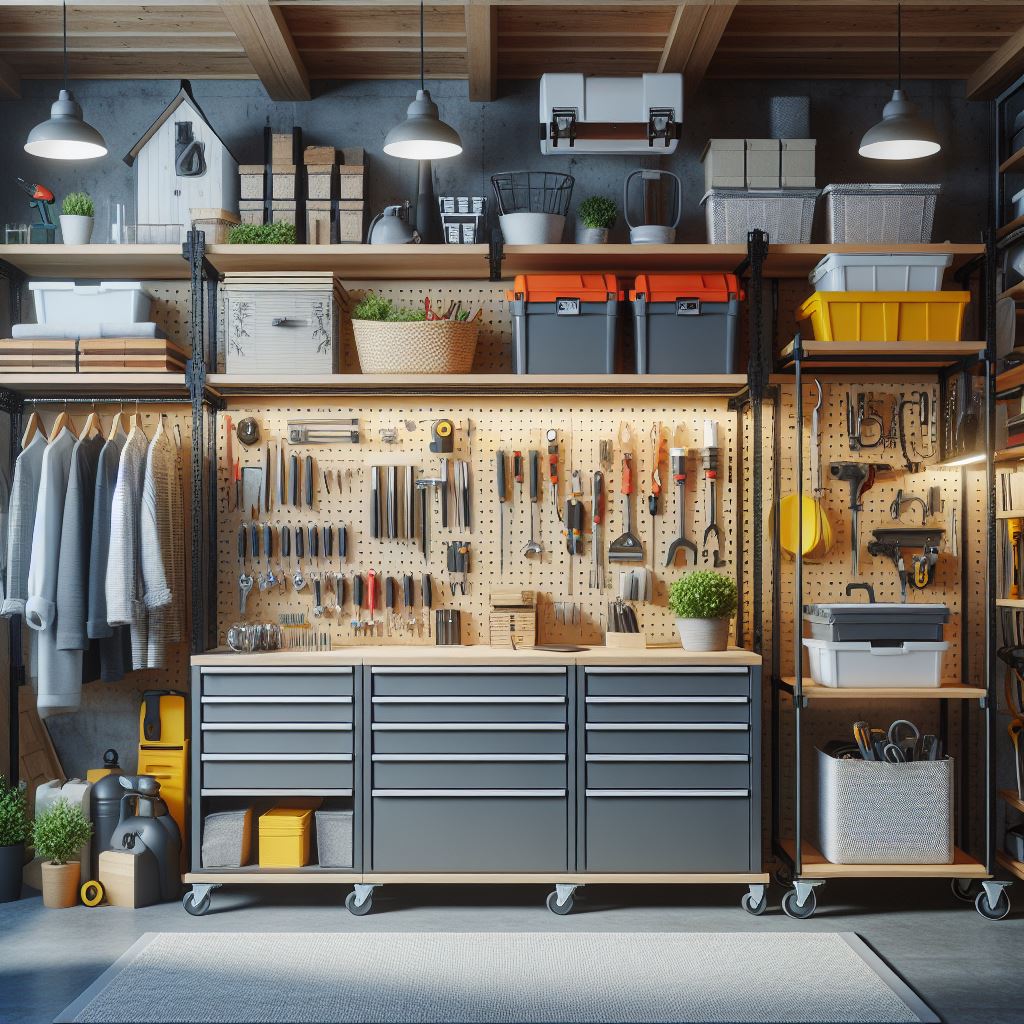
       Depending on the size and layout of your garage shelving and cabinets, choose appropriate storage solutions to fit your needs. Consider using plastic bins, storage totes, shelving units, pegboards, hooks, and wall-mounted racks to maximize space and keep items separated and organized.

    4. Utilize Vertical Space:

       Make use of the vertical space in your garage by installing shelving units or wall-mounted racks. This will help you maximize storage space and keep items off the floor. Consider using adjustable shelving units or shelves with varying heights to accommodate items of different sizes.

    5. Organize by Frequency of Use:

       Arrange items on your garage shelving and cabinets based on their frequency of use. Keep frequently used items within easy reach, preferably at eye level or in the most accessible parts of the shelves or cabinets. Store less frequently used items or items you want to keep out of sight in the back or higher shelves.

    6. Label Containers:

       To make it easier to find what you need, consider labeling your storage containers or bins. Use adhesive labels, chalkboard labels, or a label maker to clearly identify the contents of each container. This will help you quickly locate items and maintain organization.

    7. Maximize Cabinet Space:

       Make use of the space inside cabinets by installing shelf organizers, stackable shelves, or drawer organizers. This will help you maximize storage space and keep items neatly arranged. Consider using clear bins or storage containers so you can easily see the contents of each cabinet.

    8. Utilize Wall Space:

       Install pegboards or wall-mounted racks on the walls of your garage to hang tools, gardening equipment, and other items. This will help you keep items off the floor and free up space on your shelves and cabinets.

    9. Regular Maintenance:

       Once you’ve organized your garage shelving and cabinets, make it a habit to regularly declutter and reorganize them. Every few months, go through your shelves and cabinets to discard items you no longer need and adjust your organization system as needed to accommodate any changes in your needs.

    By following these steps and implementing smart storage solutions, you can effectively organize your garage shelving and cabinets and create a clutter-free and functional space for storing tools, equipment, and other items.