Want to see the tools and containers I actually use? Start with Shop HOMe →


“Tiny wins, calmer rooms, and gentle resets for real-life homes.”

Gentle home organizing for real women, busy minds, and messy seasons of life.

  • 📚 School Paper & Memory Organization

    How to Manage the Mountains of Paper Without Losing the Memories

    If your counters are buried in worksheets, permission slips, artwork, and spelling tests—you’re not alone. School paper clutter can pile up fast, especially when you have multiple kids.

    But here’s the good news: with a simple system, you can stay on top of the paper and preserve the memories that matter most.

    Let’s break it down into 3 easy steps: what to keep, what to toss, and how to make it meaningful.


    🗂️ What to Keep, Toss, or Digitize

    Not all school papers are worth saving—but the special ones are absolutely worth preserving.

    ✅ KEEP:

    • Report cards
    • Handwritten stories
    • Artwork that shows personality or effort
    • Special awards, certificates, and recognitions
    • Notes to/from teachers
    • Anything with emotional or growth value

    ❌ TOSS (with love):

    • Daily worksheets or homework pages
    • Blank or copied coloring pages
    • Repetitive assignments
    • Math drills or spelling lists
    • Anything you’re keeping out of guilt

    📷 DIGITIZE:

    • Art or bulky projects (snap a pic and toss)
    • Anything your child wants to save “just in case”
    • Group projects or posters that won’t store well

    📝 Tip: Use your phone + a cloud folder or try an app like Keepy or Artkive.


    🎒 Create a School Memory Bin by Grade

    Instead of throwing everything in a big box or binder, create a simple, labeled bin system that you can update each year.

    ✅ Supplies You Need:

    • One large plastic bin per child
    • Hanging file folders or large envelopes
    • Label each folder by grade (Pre-K through 12th)

    ✅ What to Include Each Year:

    • First/last day photo
    • Favorite piece of writing/art
    • Report card
    • Year-end school photo or class pic
    • Short reflection or quote from your child

    📝 Tip: Let your child help choose what to keep. It makes it fun, not just a parent task.


    🔁 Weekly Paper Sort Routine

    The secret to keeping it manageable? Don’t let it pile up.
    Set a weekly “Sort & Save Sunday” (or whatever day works for you).

    ✅ 3-Basket System:

    • Review (papers you need to read or sign)
    • Recycle (junk or daily work)
    • Remember (keepers for memory bin or display)

    Post a checklist or even use a mail sorter by the door or fridge.

    📝 Tip: Keep a “Temporary Display” zone (bulletin board or fridge) that rotates weekly.


    ✨ Final Thoughts

    You don’t have to save everything to honor their childhood. You just need a system that helps you choose what matters, and let go of the rest. Your future self (and your kids) will thank you.


    👉 Call to Action

    Want a free School Memory Bin Setup Guide + Printable Labels?
    📩 Comment below or visit HappyOrganized.me to download your set and simplify the paper chaos for good.


  • 🗂️ Homework Stations That Inspire Focus

    Simple, Age-Friendly Setups That Help Kids Stay on Task (Without Nagging)

    Homework time doesn’t have to be a daily battle. Whether you’ve got a kindergartener learning to color inside the lines or a teen juggling deadlines, the right environment can make all the difference.

    By creating a focused, flexible space tailored to your child’s age or learning style, you’ll build more than just good habits—you’ll foster confidence and independence.


    🧠 Setups by Age or Learning Style

    Your child’s stage and learning preferences should guide how you set up their homework space.

    ✅ Preschool to 1st Grade:

    • Use the kitchen table or a low table near you for supervision
    • Include crayons, scissors, glue, and a comfy seat
    • Keep it short and visual: one task at a time

    📝 Tip: Use a picture-based checklist so they can “see” their progress


    ✅ Grades 2–5:

    • Small desk or dedicated spot in a quiet corner
    • Include basic supplies, a timer, and room for a water bottle or fidget
    • Minimize visual clutter, but keep it inviting with a lamp or fun print

    📝 Tip: Use a checklist + reward system (like stickers or screen time bank)


    ✅ Middle School & Up:

    • Private desk or nook—even a corner in their room works
    • Tech-friendly: earbuds, charging station, Chromebook area
    • Post weekly planner or a whiteboard calendar nearby

    📝 Tip: Let them personalize it—it’s about ownership, not perfection


    🛒 DIY Portable Homework Caddies

    Not everyone has space for a full desk—and that’s OK. A portable caddy is a game-changer, especially for ADHD kids or multi-use spaces.

    ✅ What to Include:

    • Pencils, markers, scissors, glue
    • Post-its, highlighters, ruler
    • Headphones, calculator, index cards
    • A checklist or visual routine
    • Optional: fidget toy, timer, reward cards

    📝 Tip: Use a rolling cart, craft box, or divided bin. Label everything clearly!


    🚫 How to Reduce Distractions & Encourage Independence

    Helping your child stay focused doesn’t mean hovering. It’s about creating the right system and then letting them practice responsibility within it.

    ✅ Action Steps:

    • Use a visual timer (Time Timer, sand timer, or Pomodoro app)
    • Break tasks into smaller steps
    • Allow short brain breaks between assignments
    • Set up “start + finish” trays so they can manage their own workflow
    • Praise effort, not just results

    📝 Tip: Avoid multitasking spaces (TV room, kitchen during dinner). Quiet + light = better focus.


    ✨ Final Thoughts

    You don’t need a Pinterest-perfect study room—just a thoughtful space that helps your child feel capable and in control. The best homework station is the one that works for your family.

    Structure supports freedom. Routines reduce stress. And a few small shifts can lead to big results.


    👉 Call to Action

    Want a free Homework Station Setup Checklist by Age?
    📩 Comment below and help your child focus with more confidence and less chaos.

  • 🍱 Lunchbox Prep Without the Stress

    Simple Systems and Fun Ideas to Make School Lunches Easier (for Everyone)

    Packing lunches doesn’t have to be a dreaded chore. With a little planning and a few ADHD- and mom-friendly systems, you can take the stress out of the lunchbox hustle—and even get your kids involved.

    Here’s how to make lunches faster, easier, and maybe even fun with simple prep strategies and creative ideas.


    🧺 Easy Lunch Systems for the Whole Week

    A weekly lunch system saves your future self so much decision fatigue.

    ✅ Action Steps:

    • Pick a lunch theme for each day of the week
      Example:
      • Monday – Wrap it up (wraps or pinwheels)
      • Tuesday – Pasta Day
      • Wednesday – Snackable Lunchables
      • Thursday – Sandwich Day
      • Friday – Leftover Mashup or Bento Box
    • Batch prep base ingredients on Sunday
      • Cook and portion pasta, rice, or hard-boiled eggs
      • Pre-wash and cut fruit and veggies
      • Portion cheese sticks, hummus, or crackers
    • Use bento-style containers with clear sections to keep things organized and appealing.

    📝 Tip: Rotate just 2–3 core items each week to keep it simple and consistent.


    🥕 Healthy Snack Bins Kids Can Pack Themselves

    Let kids take part in packing lunch by giving them visual choice + control.

    ✅ Action Steps:

    • Create two labeled bins (fridge + pantry):
      • Fridge bin: yogurt, string cheese, fruit, veggie cups, hard-boiled eggs
      • Pantry bin: granola bars, trail mix, popcorn bags, dried fruit
    • Color-code by food group or sticker label by category:
      • Choose 1 protein, 1 fruit, 1 crunchy snack, etc.
    • Set a simple rule: “Pick one from each bin before bed.”

    📝 Tip: Use see-through containers and keep the bins at kid-eye level.


    🎨 Themed Lunch Ideas That Make It Fun

    Injecting a little creativity goes a long way in getting kids to eat what you pack.

    ✅ Ideas to Try:

    • Color Day:
      Pack everything in a single color (green grapes, spinach wrap, cucumber slices, pistachios)
    • Snackable Bento:
      A little of everything—crackers, cheese cubes, cherry tomatoes, turkey roll-ups, mini cookies
    • DIY Lunchables:
      Pack build-your-own sandwich or taco kits using silicone cups or sectioned containers
    • Shape Themes:
      Use cookie cutters to cut fruit or sandwiches into hearts, stars, or dinosaurs
    • Note or joke of the day:
      A simple sticky note or silly doodle goes a long way for connection

    📝 Tip: You don’t have to go “Pinterest Perfect”—fun and functional wins every time.


    ✨ Final Thoughts

    Lunch doesn’t have to be fancy to be successful—it just needs a system. With snack bins, theme days, and batch-prep hacks, you can turn lunchbox chaos into calm.

    The real win? You save time, reduce stress, and empower your kids to help in the process.


    👉 Call to Action

    Want a free Weekly Lunch Plan Template + Snack Bin Labels?
    📩 Comment below make lunchbox prep one less thing to worry about.

  • 🧠 ADHD-Friendly School Routines

    Simple Strategies to Calm the Chaos and Support Your Child’s Success

    Back-to-school routines can feel like pure chaos—especially if you’re parenting a child with ADHD. From lost shoes to forgotten homework, the struggle is real. But with the right structure and tools, your mornings and evenings can become smoother, calmer, and more consistent.

    Let’s break it down into simple, actionable steps that actually work for ADHD brains.


    🌅 Morning Routine for ADHD Kids

    Mornings are often the most stressful part of the day—but they don’t have to be. The key is structure + visual cues + gentle time boundaries.

    ✅ Action Steps:

    • Create a visual checklist (pictures + words) with 5–7 steps:
      • Get dressed
      • Eat breakfast
      • Brush teeth
      • Grab backpack
      • Put on shoes
    • Use a morning timer (like a visual countdown clock or a song playlist) to guide transitions.
    • Prep the night before:
      • Outfit laid out
      • Backpack by the door
      • Lunch packed

    📝 Tip: Praise progress, not perfection. “You got dressed before the timer! Awesome job!”


    🌙 Evening Routine for ADHD Kids

    Evenings are your chance to reset. ADHD brains thrive on predictability, so try to keep the order of tasks the same—even if the time flexes.

    ✅ Action Steps:

    • Use a visual or color-coded routine chart for bedtime:
      • Homework
      • Dinner
      • Free time
      • Bath/shower
      • PJs, meds, teeth
      • Quiet time or reading
      • Lights out
    • Build in a wind-down buffer (ADHD kids struggle with abrupt transitions). Use calming cues like a lavender diffuser, soft lighting, or relaxing music.
    • Set a “Backpack Reset” timer (5–10 minutes) to pack for tomorrow:
      • Homework folder
      • Water bottle
      • Signed papers
      • Show-and-tell, permission slips, etc.

    📝 Tip: Let your child help design the chart—it boosts buy-in and ownership.


    🎒 Backpack Organization Hacks for Distractible Brains

    A cluttered backpack = forgotten work, lost supplies, and major frustration.

    ✅ Action Steps:

    • Choose a backpack with clear compartments (not just a deep pit).
    • Use zippered pouches or color-coded folders for:
      • Homework
      • Notes to parents
      • Supplies
    • Label everything (yes, everything)—binders, pouches, notebooks, water bottles.
    • Empty and reset the backpack weekly as a family habit.

    📝 Tip: Use a checklist clipped to the backpack or inside a clear pouch for daily reminders.


    ✨ Final Thoughts

    ADHD brains aren’t disorganized—they’re just wired differently. With visual supports, consistent rhythms, and a little creativity, your mornings and evenings can feel less reactive and more intentional.

    You’re not just building routines—you’re building confidence, peace, and independence.


    👉 Call to Action

    Need help creating a custom visual schedule or want a printable version of these routines?
    📩 Comment below make back-to-school smoother for everyone.

  • 🏡 Getting Your Home Ready to Sell

    Simple Steps That Help You Sell Faster (and for More Money)

    Selling your home is a big deal—and first impressions matter. Whether you’re moving up, downsizing, or relocating, preparing your home the right way can make a huge difference in how fast it sells and how much you get.

    The good news? You don’t need to renovate the entire house. You just need a strategic, thoughtful approach that helps buyers see themselves living there.


    🧹 1. Declutter Like You’re Already Moving

    You’re going to pack anyway—so start now.
    Remove excess furniture, personal items, and anything that makes a room feel crowded.

    • Pack up family photos, piles of paper, and knick-knacks.
    • Leave clean surfaces and open spaces.
    • Create room for buyers to imagine their own life there.

    📝 Tip: Use the “5-bin method” (Keep, Relocate, Trash, Donate, Unsure) to make it manageable.


    🧼 2. Deep Clean (It’s Worth It)

    This isn’t your regular weekend clean—it’s the “every-nook-and-cranny” clean. Consider hiring pros if needed.

    Focus on:

    • Baseboards and vents
    • Windows (inside and out)
    • Carpets and floors
    • Bathrooms and kitchens
    • Pet odors and laundry smells

    📝 Tip: A sparkling clean home feels more spacious and more valuable.


    🎨 3. Neutralize and Brighten

    Bold colors and unique styles may suit you—but neutral sells.

    • Repaint walls in soft, light tones (think warm whites or light grays).
    • Remove busy or dated wallpaper.
    • Swap out heavy curtains for sheer ones.
    • Add mirrors to bounce light.

    📝 Tip: Light and neutral = clean and move-in ready.


    🛠️ 4. Handle the Minor Repairs

    Fix the little things buyers will notice:

    • Squeaky doors
    • Loose handles
    • Dripping faucets
    • Burnt-out bulbs
    • Cracked tiles

    📝 Tip: Buyers often overestimate repair costs—don’t give them a reason to negotiate down.


    🛋️ 5. Stage to Sell

    You don’t need to hire a pro—just think simple and welcoming.

    • Arrange furniture to highlight space and flow.
    • Add a few cozy accents (pillows, a plant, a neutral throw).
    • Set the dining table or put fresh towels in the bathroom.

    📝 Tip: Less is more. Create “zones” that make sense: reading nook, breakfast spot, guest room, etc.


    📸 6. Prioritize Curb Appeal

    The outside is your first impression.

    • Mow the lawn
    • Trim hedges
    • Clean the porch and windows
    • Add a new doormat or potted plant
    • Paint the front door if needed

    📝 Tip: A buyer decides how they feel about your home in the first 7 seconds.


    🗝️ Final Thoughts

    Preparing your home to sell isn’t about making it perfect—it’s about making it appealing and easy to imagine living in. Declutter, clean, simplify, and let your home shine.


    👉 Ready to Sell?

    I’d love to help. Whether you’re in the early planning stage or ready to list, reach out for a free market analysis, prep checklist, or personalized home sale strategy.

    📩 DM me, or visit HappyOrganized.me to schedule a consultation.

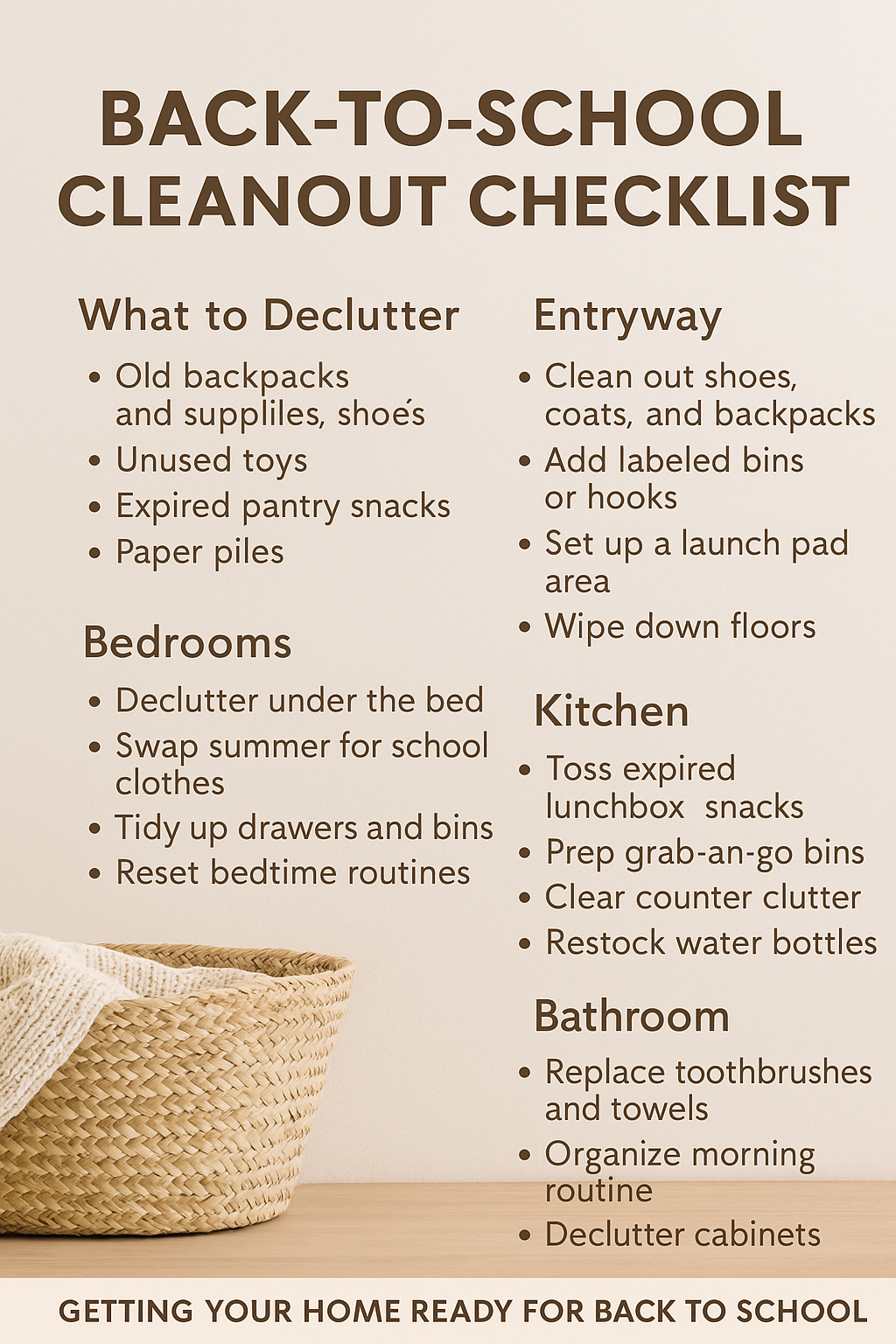
  • 🎒 Getting the Home Ready for Back to School

    Simple Systems to Calm the Chaos and Set Everyone Up for Success

    That summer-to-school transition can hit hard. The lazy mornings turn into rushed routines, and suddenly backpacks, permission slips, and lunch prep take over your kitchen counters. If the thought of back-to-school season feels overwhelming—you’re not alone.

    But with just a few intentional changes at home, you can create a calm, organized space that supports your kids (and you) as the new school year begins.


    🧺 1. Reset the Entryway (a.k.a. the Drop Zone)

    Create a designated spot for all the stuff that comes in and out:

    • Backpacks
    • Shoes
    • Lunchboxes
    • Coats
    • Sports gear

    Use hooks, bins, or cubbies so everything has a home. Add name tags for younger kids or a bench to sit on for older ones. Bonus: place a family calendar nearby for quick reference.

    📝 Tip: Keep it visual and simple. The less they have to think about, the better!


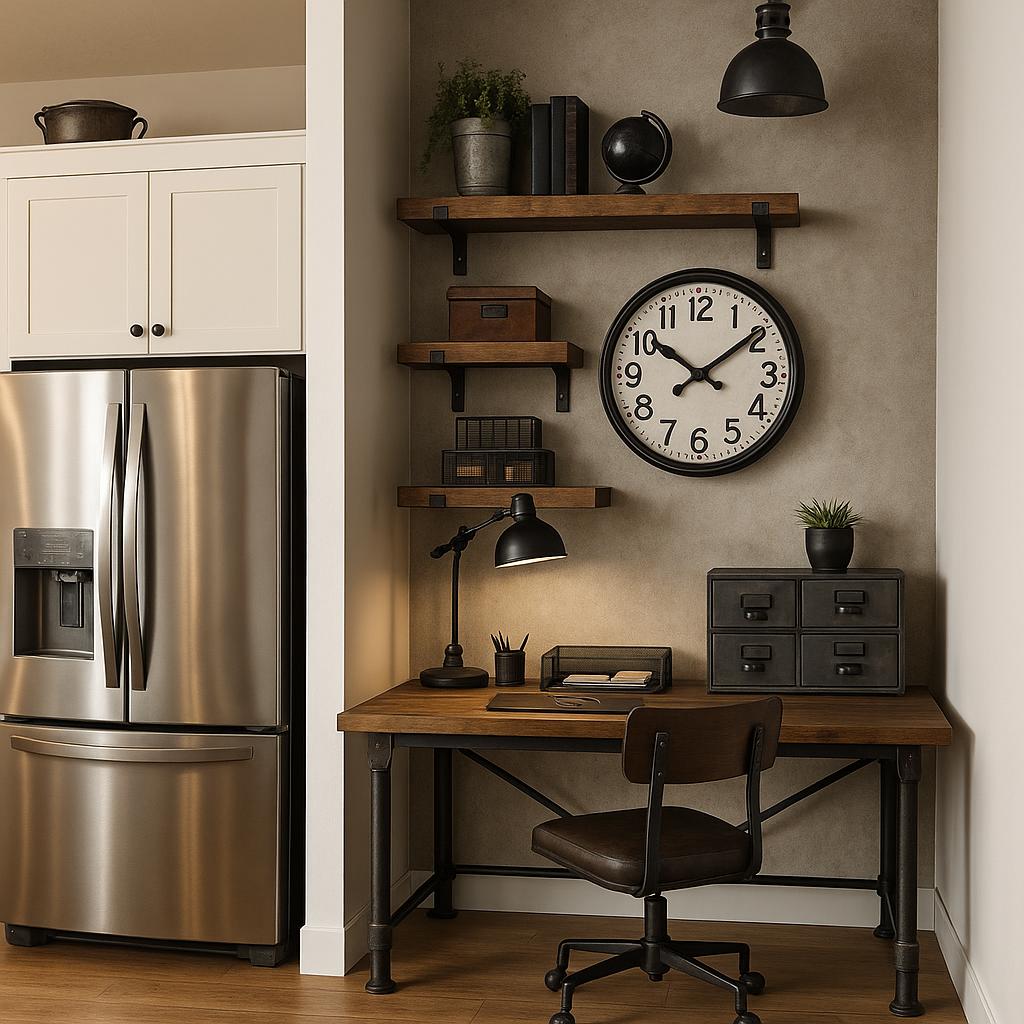
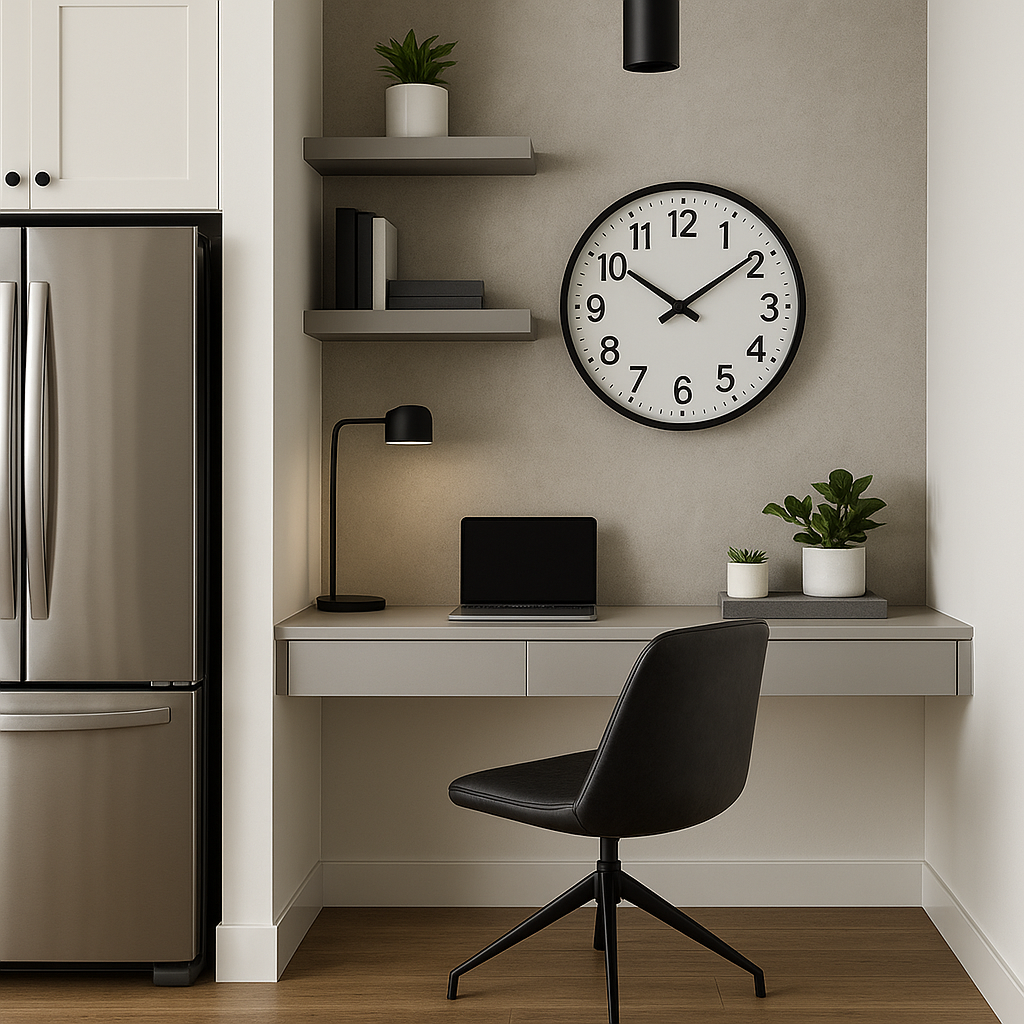
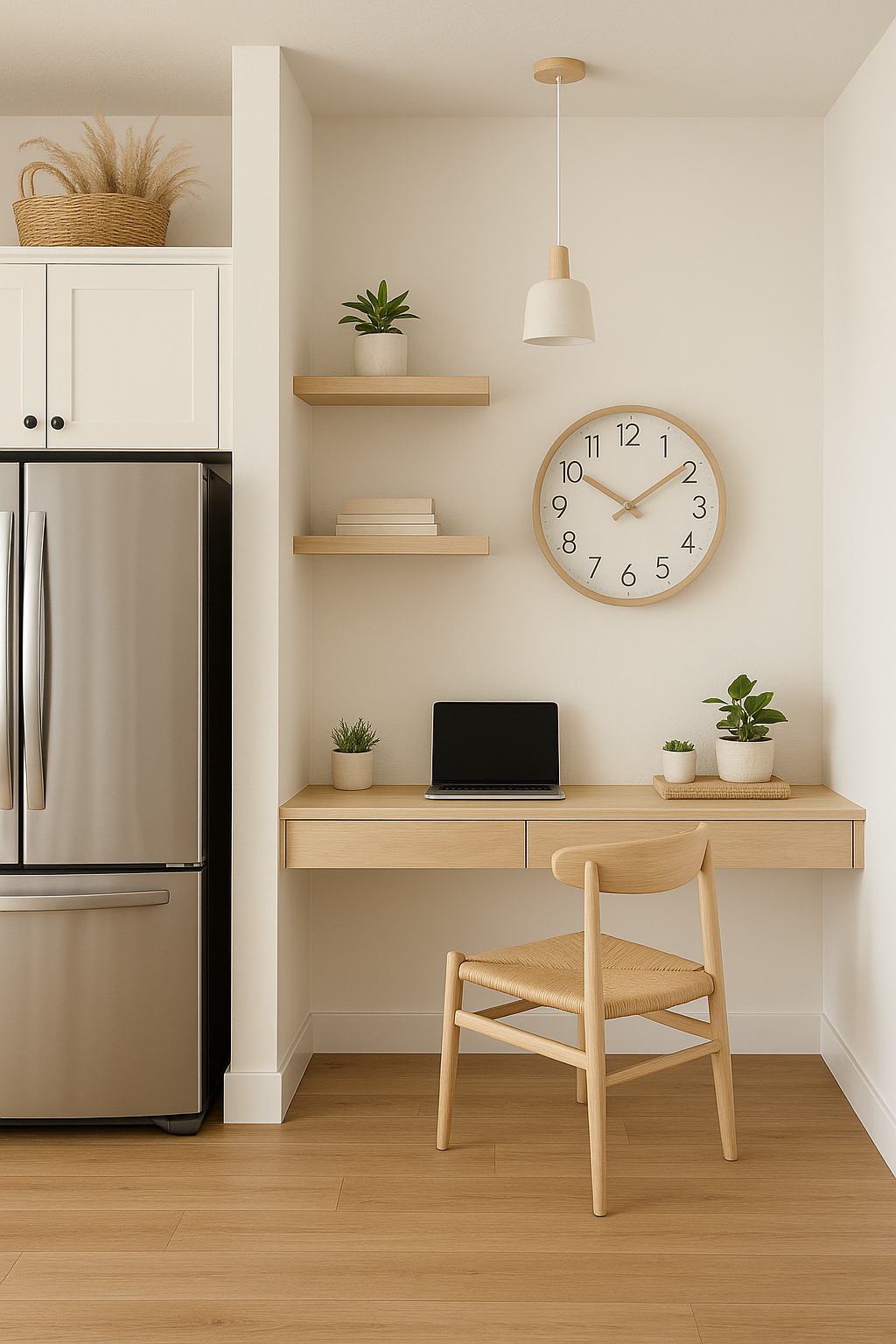
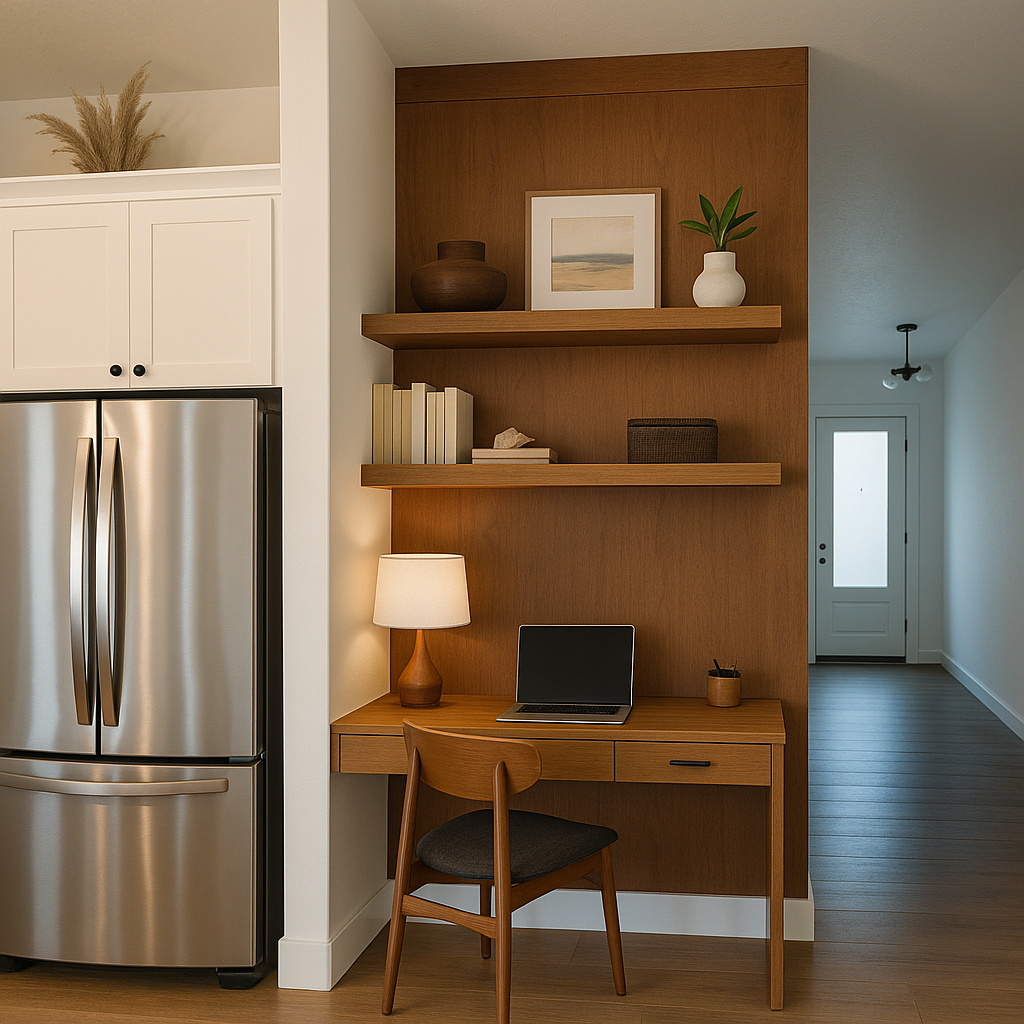
    🖍️ 2. Organize a Homework or Study Station

    Whether it’s a desk, the kitchen table, or a cozy nook—set up a space just for schoolwork. Include:

    • Pencils, scissors, glue sticks, and highlighters
    • Chargers, headphones, and tech supplies
    • A bin or drawer to keep clutter off the surface
    • Good lighting and limited distractions

    📝 Tip: Use a caddy or rolling cart for portability if you don’t have a dedicated desk.


    🧃 3. Prep the Kitchen for Busy Mornings

    Back-to-school mornings are no joke. Get ahead by:

    • Creating a breakfast basket with grab-and-go options
    • Prepping lunch bins with snacks your kids can choose from
    • Keeping lunch containers, water bottles, and napkins in one place

    📝 Tip: A mini “launch pad” shelf in the fridge for packed lunches saves you time and stress.


    🗓️ 4. Update the Family Calendar + Command Center

    Sync everyone’s schedules and school info in one spot:

    • Add school start/end times, holidays, activities, and appointments
    • Post lunch menus or weekly meal plans
    • Keep school contact numbers and logins nearby

    📝 Tip: Use color coding for each family member—it’s a visual win.


    🧦 5. Refresh Wardrobes + Supplies

    Declutter drawers before you shop. Make space and take inventory so you don’t overbuy.

    • Donate outgrown clothes
    • Organize socks and underwear drawers
    • Restock school supplies (and stash extras!)

    📝 Tip: Let kids help choose outfits or supplies—they’re more likely to use what they like.


    ✨ Final Thoughts

    Getting ready for back to school doesn’t have to be stressful. With a little planning and a few reset zones, your home can support smoother mornings, easier evenings, and more confident kids.


    👉 Call to Action

    Want a Back-to-School Home Reset Checklist or help organizing your home for the school year?
    📩 Comment below let’s make this school year your most organized one yet!

  • 🧠 The Home Reset Method for ADHD Brains

    Because You Deserve a Home That Works With You—Not Against You

    If you have an ADHD brain, you already know this truth: clutter piles up fast, routines vanish overnight, and motivation comes in unpredictable bursts. The idea of “getting organized” can feel exhausting before you even start.

    That’s why you need a method that’s simple, visual, repeatable—and flexible enough to meet you where you’re at.
    Introducing: The Home Reset Method for ADHD Brains—a rhythm, not a rulebook.


    🔁 What Is a Home Reset?

    It’s a short, intentional routine designed to reset your space before it spirals. Think of it as a mini reboot for your home—not a deep clean, not perfection—just enough to feel back in control.

    And it’s not one big project. It’s a loop you can repeat daily, weekly, or as needed, even if executive function feels offline.


    🧺 The ADHD-Friendly Home Reset Includes:

    1. Clear the Surfaces

    Visual clutter = brain chaos. Start with your hot spots:

    • Kitchen counter
    • Coffee table
    • Bathroom sink
      Use a laundry basket if needed—just scoop and sort later. Progress first, perfection later.

    2. Reset a Floor Zone

    Choose one: the entryway, your bedroom floor, under the dining table.
    Pick up trash, shoes, laundry, or rogue items. Use a timer—5 to 10 minutes max.


    3. Make Something Visible Feel “Done”

    Wipe a mirror, make the bed, fluff the couch pillows, or straighten your desk.
    When it looks better, your brain feels better. Win-win.


    4. One Load of Laundry or Dishes

    You don’t have to finish everything—just reset one load. One. That’s enough to move forward.


    5. Check Your Launch Pad or Command Center

    Where are your keys? Bag? Meds? Chargers? Reset the essentials for tomorrow so Future You is less frazzled.


    🕒 The Key: Keep It SHORT

    You’re not reorganizing the garage. You’re simply helping your space feel less hostile and more helpful. 15–20 minutes tops.


    🌟 Why This Works for ADHD Brains

    • ✅ It’s visual and tangible
    • ✅ It avoids decision paralysis
    • ✅ It allows for flexibility and grace
    • ✅ It builds self-trust through small wins

    💬 Final Thoughts

    You don’t need to do everything. You just need a loop you can step into when life feels messy. The Home Reset Method gives your brain (and your space) something to anchor to.

    Tiny steps. Visible progress. Real relief.

  • 🧺 5 Bins to Declutter Any Room in Under an Hour

    A Simple System That Works in Every Space

    Feeling overwhelmed by clutter? You’re not alone. Whether it’s the living room, kitchen, bedroom, or garage—mess builds fast. But decluttering doesn’t have to be exhausting or complicated.

    Here’s the secret: 5 Bins. One Hour. Any Room.

    This method is fast, effective, and ADHD-friendly. You don’t need perfection—just momentum.


    🗂️ What Are the 5 Bins?

    Each bin has a purpose. Together, they create a no-stress sorting system that helps you take action now without having to overthink every item.


    🟢 1. Keep

    Put items that belong in the room and still serve a purpose into this bin. These are the “yes” items you love, need, or use often.
    📝 Tip: Return them to their proper spot once you’re done sorting.


    🟡 2. Relocate

    These things don’t belong in this room—but they do belong somewhere in the house. Instead of wandering from room to room, just toss them in this bin for later redistribution.
    📝 Tip: Deliver the entire bin after decluttering is done.


    🔴 3. Trash

    Broken, unusable, or expired items go here. Don’t overthink it. If it’s truly junk, say goodbye.
    📝 Tip: Have a garbage bag ready so you can empty this right away.


    ♻️ 4. Donate

    This is for gently used items you no longer love or need but that someone else could use. Be honest with yourself—if you haven’t used it in over a year, it’s probably ready to go.
    📝 Tip: Put this bin straight into your car when you’re done.


    🟤 5. Unsure

    Stuck? That’s okay. Give yourself permission to decide later. This bin helps you keep moving.
    📝 Tip: Revisit this bin at the end and set a 5-minute timer to make quick decisions.


    ⏰ How to Use the 5-Bin Method in Under an Hour

    1. Pick one space — one drawer, one shelf, one corner.
    2. Set a 45–60 minute timer — or even just 20 if that’s what you’ve got.
    3. Label each bin or use baskets, boxes, or laundry bins.
    4. Start sorting, fast and without judgment.
    5. Empty each bin when you’re done—don’t leave it for later.

    🧠 Why It Works

    • Removes decision fatigue
    • Creates a system you can repeat anywhere
    • Turns big messes into manageable chunks
    • Gives you visible progress quickly

    ✨ Final Thoughts

    Decluttering doesn’t have to mean redoing your whole house. Just grab 5 bins, set a timer, and get started. You’ll be amazed what you can clear in a single focused hour.

    🎧 What’s your favorite songs to clean to?

  • 🔄 Weekly Reset Routines That Actually Stick

    Simple Habits to Keep Your Home and Life Flowing Smoothly

    You know that feeling when Monday rolls in and everything’s still a mess from the week before? The laundry’s piled up, the fridge is empty, and your to-do list feels like it’s plotting against you.

    Let’s change that. Enter the Weekly Reset—a simple, doable routine that keeps your home and mind from falling into chaos. And best of all? These resets don’t have to take all day.


    ✨ What Is a Weekly Reset?

    Weekly Reset Routine is a set of small, intentional habits you complete once a week to bring your home, schedule, and self back into alignment. Think of it as hitting “refresh” on your life.

    It helps you:

    • Stay on top of clutter
    • Prep for the week ahead
    • Feel calm instead of frazzled

    🛠️ How to Build a Weekly Reset That Works

    1. Pick Your Reset Day

    Choose a day that feels right—Sunday works great for many people, but maybe Monday or Friday fits better for your life. The key is consistency.

    2. Choose 5–7 Core Tasks

    These are the non-negotiables that help you feel ready for the week. Keep them simple and achievable. Some favorites include:

    • 🧺 Do a Laundry Round-Up
      One last load to clear the baskets and fold what’s been ignored.
    • 📝 Review the Week Ahead
      Check your calendar, meal plan, and appointments. Jot down any to-dos.
    • 🧽 Reset High-Traffic Areas
      Quick wipe-down and tidy of your kitchen, living room, or drop zone.
    • 🛒 Inventory + Grocery Prep
      What’s in the fridge? What do you need? Make that list or order delivery.
    • 🧹 Clear the Clutter Hot Spots
      Hit that one table, counter, or basket where junk seems to multiply.
    • 🧠 Reflect + Set Intentions
      A few moments to check in with yourself. What worked last week? What do you need more (or less) of this week?
    • 💻 Tech Reset
      Clear your inbox, tidy your desktop, update passwords or delete old files.

    🔁 Make It Stick

    • Keep it short and sweet—you don’t need a 6-hour Sunday scrub-fest.
    • Set a timer—try 10–15 minutes per task.
    • Use a checklist—visually seeing progress is motivating.
    • Play music or light a candle—make it a ritual, not a chore.
    • Invite family or roommates—weekly resets can be a shared routine.

    🌿 Bonus: Make It Beautiful

    Want to enjoy your reset more? Use a pretty printable, a chalkboard checklist, or a calm little corner with your planner and a warm drink. Your reset doesn’t have to be boring—it can be your moment.


    💬 Final Thoughts

    When you build a weekly reset routine that works for you, you stop living in survival mode. You start the week ready, grounded, and clear-minded.

    You deserve that kind of peace.