Want to see the tools and containers I actually use? Start with Shop HOMe →


“Tiny wins, calmer rooms, and gentle resets for real-life homes.”

Gentle home organizing for real women, busy minds, and messy seasons of life.

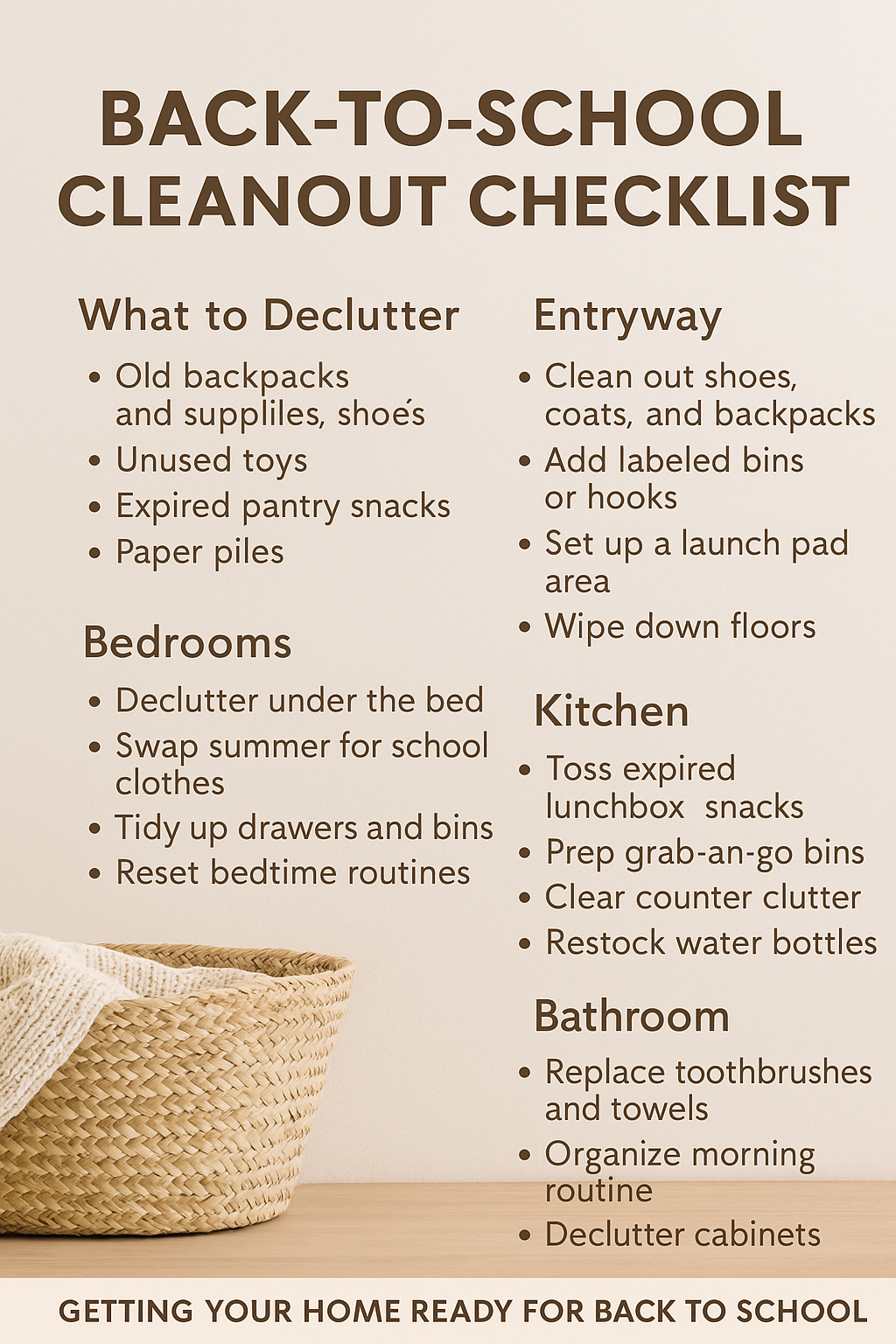
  • 🧽 Back-to-School Home Cleanout Checklist

    Declutter, Reset, and Start the School Year Fresh

    The back-to-school season isn’t just about supply lists and routines—it’s the perfect excuse to declutter your home, reset your spaces, and create breathing room for a new season of growth. A cleanout doesn’t have to be overwhelming. With the right checklist and a family game plan, it can even be fun.

    Let’s break it down room-by-room for a fresh fall start.


    🧹 What to Declutter Before School Starts

    Before you bring in new school supplies, clothes, or routines, clear the old. Ask yourself:

    • Has it been used in the last season?
    • Does it still fit (your kid or your lifestyle)?
    • Does it add stress or peace?

    ✅ Decluttering Targets:

    • Old backpacks, broken school supplies
    • Outgrown clothes, shoes, or sports gear
    • Toys that no longer get love
    • Expired pantry snacks and lunch items
    • Overflowing paper piles
    • Last school year’s papers and artwork

    📝 Tip: Use 3 bins—Toss, Donate, Keep—and label them clearly.


    🚪 Room-by-Room Reset Checklist

    🏠 Entryway:

    • Clean out shoes, coats, and backpacks
    • Add labeled bins or hooks for each kid
    • Designate a launch pad area (papers, supplies, notes)
    • Wipe down floors and baseboards

    🛏️ Bedrooms:

    • Clear under-bed clutter
    • Swap summer clothes for school-ready items
    • Tidy drawers, relabel bins
    • Reset bedtime routines with visual cues

    🍽️ Kitchen:

    • Toss expired lunchbox snacks
    • Prep grab-and-go bins for breakfast and lunch
    • Declutter junk drawer and counter hotspots
    • Restock water bottles, food containers, thermoses

    🧼 Bathroom:

    • Check toothbrushes, towels, and toiletry stash
    • Reorganize school morning routines (brush, hair, go)
    • Create a calm corner with labeled bins for each kid

    📝 Tip: Add calm music and a timer to make it a reset challenge.


    👨‍👩‍👧‍👦 Family Clean-Out Day: Make It Fun

    Instead of doing it all yourself (and resenting it), turn cleanout day into a challenge.

    Ideas to Motivate:

    • “Race the clock” challenges
    • Set a timer and tackle one room together
    • Let each kid be “captain” of a zone
    • Offer rewards (movie night, treat, pizza dinner)
    • Before/after photos for a wow factor

    📝 Tip: Create a cleaning playlist and dance your way through it.


    ✨ Final Thoughts

    Back-to-school is a reset moment—not just for the kids, but for your whole home. A quick declutter, a few visual routines, and clean surfaces go a long way in setting the tone for a calm, organized school year.


    👉 Call to Action

    Want a free Back-to-School Cleanout Checklist you can print and use with the whole family?
    📩 Grab it now at HappyOrganized.me or drop a comment and I’ll send it straight to your inbox.
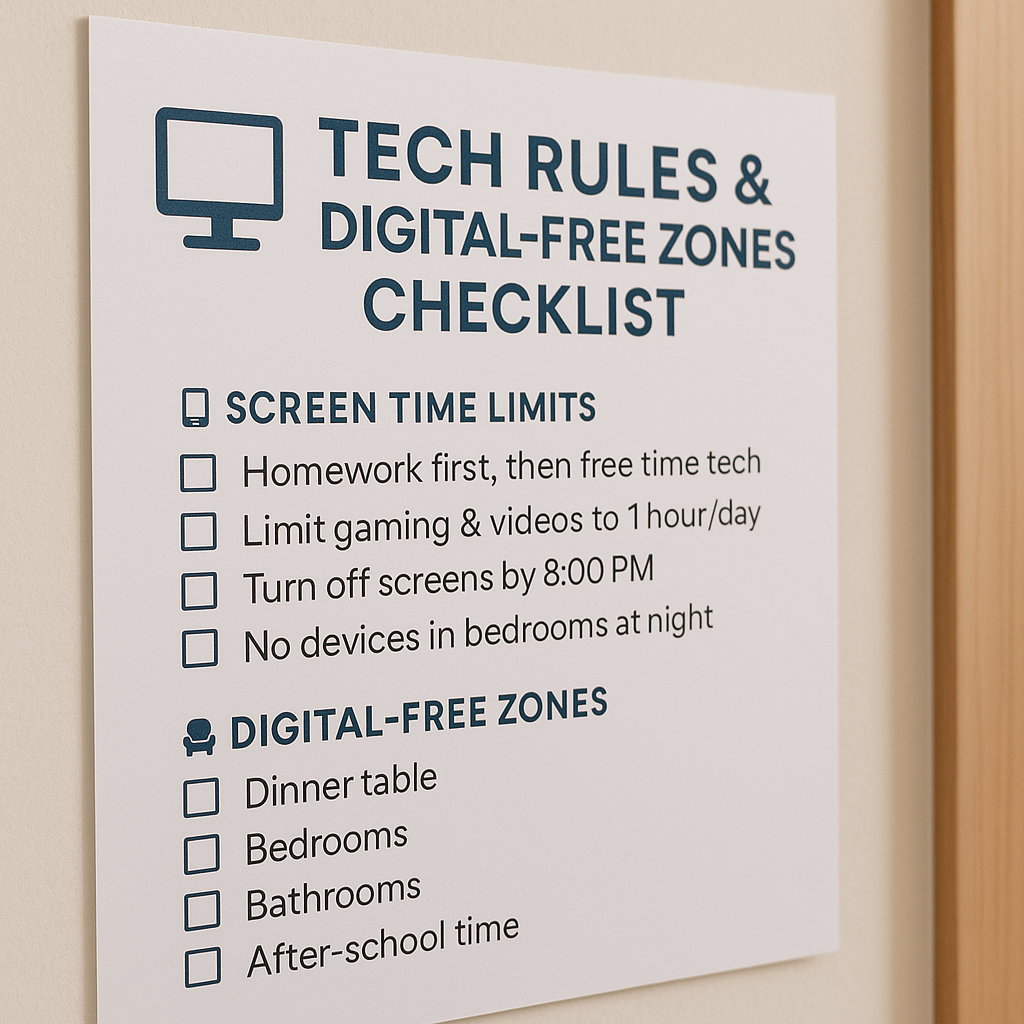

  • 💻 Tech Rules & Routines for the School Year

    Create Boundaries That Work—Without the Daily Battles

    Let’s face it—tech is part of school life now. But that doesn’t mean it has to take over your home. When the school year kicks off, it’s the perfect time to refresh your family’s tech boundaries and routines so screens support success—not sabotage it.

    Here’s how to set up tech rules that are clear, flexible, and ADHD/kid-friendly.


    🎯 1. Define Tech Purpose: Homework vs. Social

    Not all screen time is created equal. Clarifying what counts as productive tech use helps you avoid constant arguments.

    ✅ Homework Tech:

    • School-assigned laptops or tablets
    • Educational apps and platforms
    • Research tools
    • Printing or submission tasks

    ⚠️ Social Tech:

    • YouTube, TikTok, gaming
    • Group texting
    • Streaming and scrolling
    • Discord, social chats during homework

    📝 Tip: Create a visual chart showing “Homework Tech” vs “Free Time Tech.”


    🕓 2. Set Screen Time Boundaries

    No one wants to play the tech police. Instead, try time-based or location-based rules that are easy to follow and enforce.

    📋 Sample Boundaries:

    • No personal screens until homework is done
    • Limit gaming/YouTube to 30–60 minutes/day after school
    • All tech off by 8:00 PM (or 1 hour before bedtime)
    • No tech in bedrooms overnight
    • Tech-free mornings before school = smoother transitions

    📝 Tip: Use timers, alarms, or parental control tools for consistency—not nagging.


    🛋️ 3. Create Digital-Free Zones

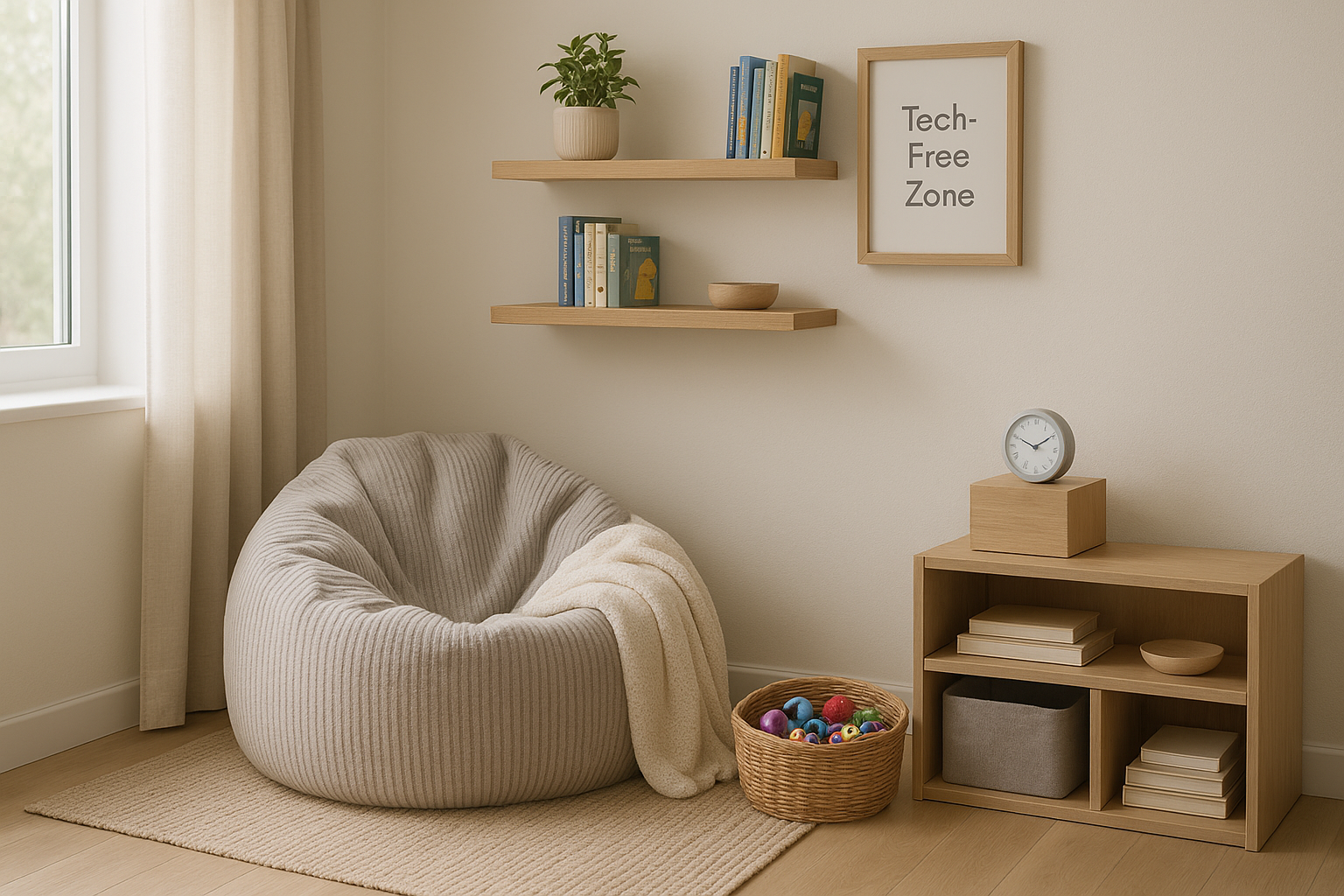
    Tech-free areas help restore calm, focus, and connection. Pick at least two zones in your home where devices stay out.

    🧘‍♀️ Suggested Tech-Free Zones:

    • Dinner table
    • Bedrooms
    • Bathrooms
    • Car rides to school
    • After-school decompression zone

    Make it visual: place a basket or charging station outside the zone.


    🧠 4. ADHD/Neurodiverse Considerations

    For ADHD brains, switching from tech to real life can be hard. Build in transition time between tech and the next activity.

    Tools That Help:

    • Visual timers (like Time Timer or hourglasses)
    • Countdown reminders: “5 more minutes of screen time…”
    • Tech tasks checklist: finish screen time, plug in device, do next thing
    • Involve kids in rule-making—ownership helps stickiness

    ✨ Final Thoughts

    When you create clear tech boundaries and routines, you reduce power struggles and increase productivity. The goal isn’t zero screen time—it’s balanced, intentional use that respects everyone’s brain, routine, and rest.


    👉 Call to Action

    Want a free Tech Rules & Digital-Free Zones Checklist?
    📩 Visit HappyOrganized.me to download and post it on the fridge, family-style.


  • 👕 Back-to-School Capsule Wardrobe

    Stress-Free Outfits That Simplify Mornings and Empower Kids

    The school year brings enough chaos—outfit drama doesn’t need to be one of them. Creating a simple capsule wardrobe for your kids means fewer decisions, smoother mornings, and more confidence for them (and you!).

    Let’s walk through how to build an age-appropriate, mix-and-match wardrobe system that actually works.


    🎒 Why a Capsule Wardrobe for Kids?

    Because decision fatigue is real—especially in the early morning. A capsule wardrobe reduces options strategically so kids always have something they love that works.

    Benefits:

    • Less laundry, less clutter
    • Fewer “I don’t like this” battles
    • Quicker mornings = calmer homes
    • Helps kids become more independent

    🧥 Simple Mix-and-Match Outfit Ideas (By Age or Gender)

    Here’s a general formula you can follow and adapt to your child’s preferences:

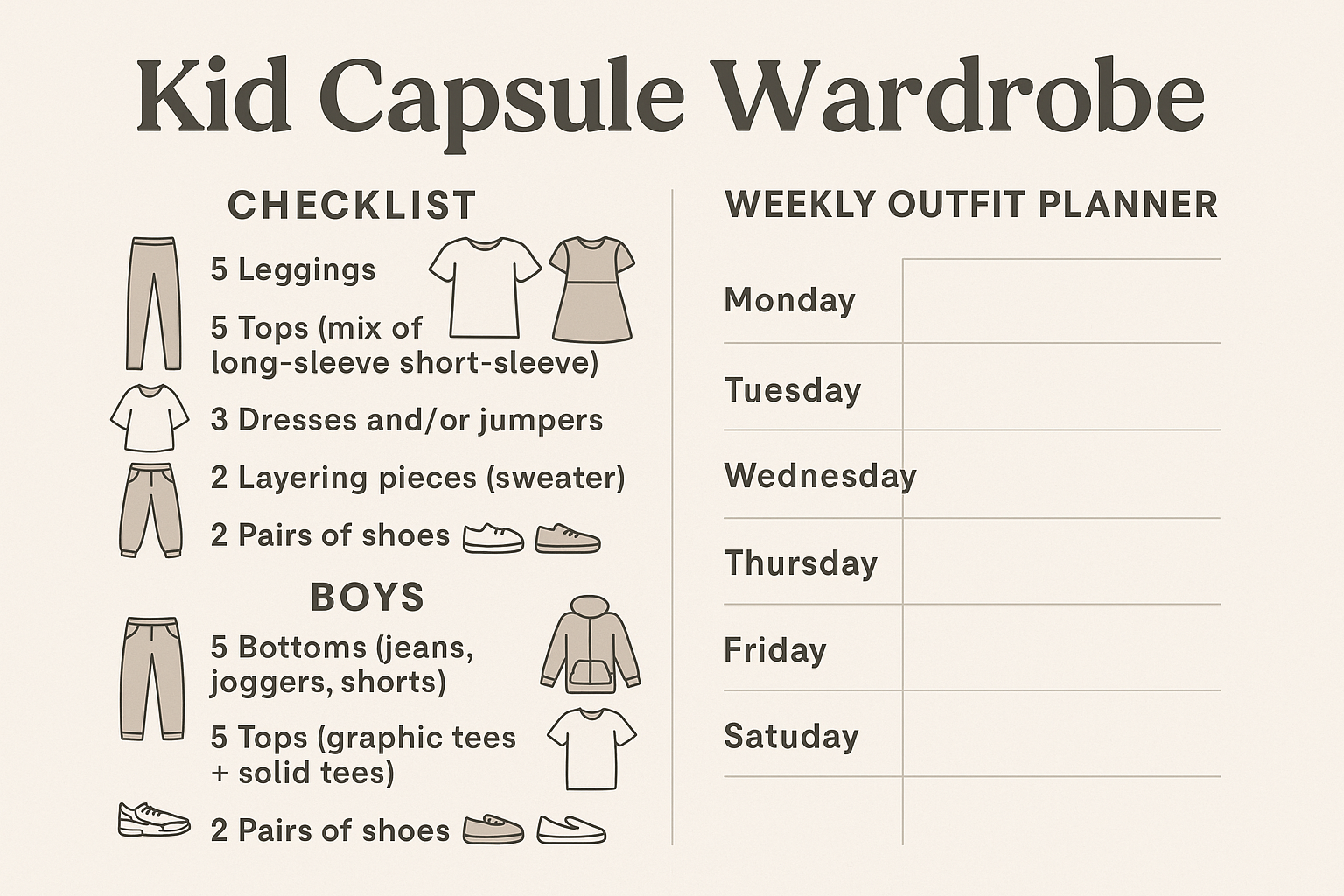
    👧 Girls Example (Elementary Age):

    • 5 solid-color leggings
    • 5 comfy tops (long/short sleeve mix)
    • 3 dresses or jumpers
    • 2 layering pieces (sweater/hoodie)
    • 2 pairs of shoes (sneakers + dressy/casual)

    👦 Boys Example (Elementary Age):

    • 5 neutral bottoms (jeans, joggers, shorts)
    • 5 tops (graphic tees + solid basics)
    • 2 hoodies or zip-ups
    • 2 shoes (sneakers + slip-ons)

    📝 Tip: Stick to a color palette (3–5 coordinating colors) so every item works together.


    🧹 Closet Reset for the New School Year

    Declutter now to avoid outfit meltdowns later.

    ✅ Weekend Closet Reset Checklist:

    • Pull everything out and sort by fit, comfort, and wear
    • Donate or pack away out-of-season or outgrown clothes
    • Use bins or shelf dividers to group daily outfits
    • Create a “Monday–Friday Outfit Station” for independence
    • Label drawers or baskets by type (tops, bottoms, PJs, socks, etc.)

    📝 Bonus: Add hooks at kid-height for backpacks and jackets.


    🙋‍♀️ Involve Kids to Build Buy-In

    The key to lasting success? Let them help. Even small choices give them a sense of control.

    Ways to Include Kids:

    • Let them pick their favorite pieces from a pre-approved pile
    • Invite them to “shop their closet” for the best mix
    • Have a fashion show! Make it fun.
    • Post their capsule wardrobe as a visual chart or photo grid

    📝 When kids feel ownership, they’re more likely to get dressed without a fight.


    ✨ Final Thoughts

    A capsule wardrobe isn’t about restriction—it’s about clarity. With fewer but smarter choices, your kids can dress themselves with confidence, and you can start your mornings with more peace.

    And best of all? No more missing socks or “where’s my hoodie?” chaos.


    👉 Call to Action

    Want a printable Kid Capsule Wardrobe Checklist + Weekly Outfit Planner?
    📩 Comment below or visit HappyOrganized.me to download your free guide and get mornings back on track.


  • 💬 After-School Decompression Zones

    Help Kids Unwind, Reset, and Reconnect After a Long Day

    School is exhausting—mentally, emotionally, and physically. And for neurodiverse kids or those with ADHD, that overwhelm can come home with them. The solution? An intentional after-school decompression zone.

    It doesn’t have to be fancy. You just need a space that invites calm, comfort, and connection—without defaulting to screen time.

    Let’s create a system that helps your child transition peacefully from school mode to home mode.


    🧘‍♂️ How to Set Up a Calming Decompression Space

    A decompression zone doesn’t require a whole room—just a cozy corner that’s intentional.

    ✅ What to Include:

    • Soft lighting (lamps, string lights, or natural light)
    • Comfy seating (bean bag, soft chair, floor mat)
    • Weighted blanket or cozy throw
    • Calm-down jar, sensory bottles, or fidget tools
    • Headphones with soothing music or nature sounds
    • Books, sketch pads, puzzles, or quiet play bins

    📝 Tip: Avoid direct questions right after school. Give them space to just “be” first.


    🌈 Sensory-Friendly Options for Neurodiverse Learners

    Kids with sensory sensitivities may need different setups to truly reset.

    ✅ Sensory Considerations:

    • Noise-canceling headphones or white noise machine
    • Tent, nook, or pop-up canopy to block out visual chaos
    • Sensory bins (kinetic sand, water beads, rice)
    • Aromatherapy (lavender or peppermint essential oils)
    • Soft, non-scratchy textures for blankets and pillows
    • Option for movement: small trampoline, swing, or yoga mat

    📝 Tip: Let your child help design their zone. Ownership increases success.


    🎲 Screen-Free but Fun Decompression Ideas

    You don’t need to ban screens entirely—but building a habit of intentional downtime creates lasting benefits.

    ✅ Screen-Free Options:

    • Calming LEGO or magnetic tile build
    • Audiobooks while laying down with a weighted blanket
    • Journaling or doodling
    • Mindfulness coloring pages
    • Solo play: dollhouse, pretend play figures, puzzles
    • Outdoor time: swing, trampoline, backyard digging bin

    📝 Tip: Create a visual “decompression menu” your child can choose from.


    ✨ Final Thoughts

    A well-designed decompression zone is like a soft landing pad for your child’s overstimulated brain. It helps them recharge, reconnect, and approach the rest of the day with more peace and self-regulation.

    It’s a gift you’re giving to your child—and your future self.


    👉 Call to Action

    Want a free Decompression Zone Setup Checklist + Sensory-Friendly Ideas Sheet?
    📩 Visit HappyOrganized.me or comment below and get everything you need to create a calming after-school routine that sticks.

  • 👟 Command Center Refresh for the School Year

    Create a Kid-Friendly Hub That Actually Works (Without the Chaos)

    It’s that time again—papers, schedules, backpacks, and shoes start multiplying by the front door. A home command center can save your sanity during the school year… but only if it’s functional and maintainable.

    Whether you already have a command center or you’re starting from scratch, here’s how to refresh yours with ADHD/kid-friendly systems—and keep it clutter-free all season long.


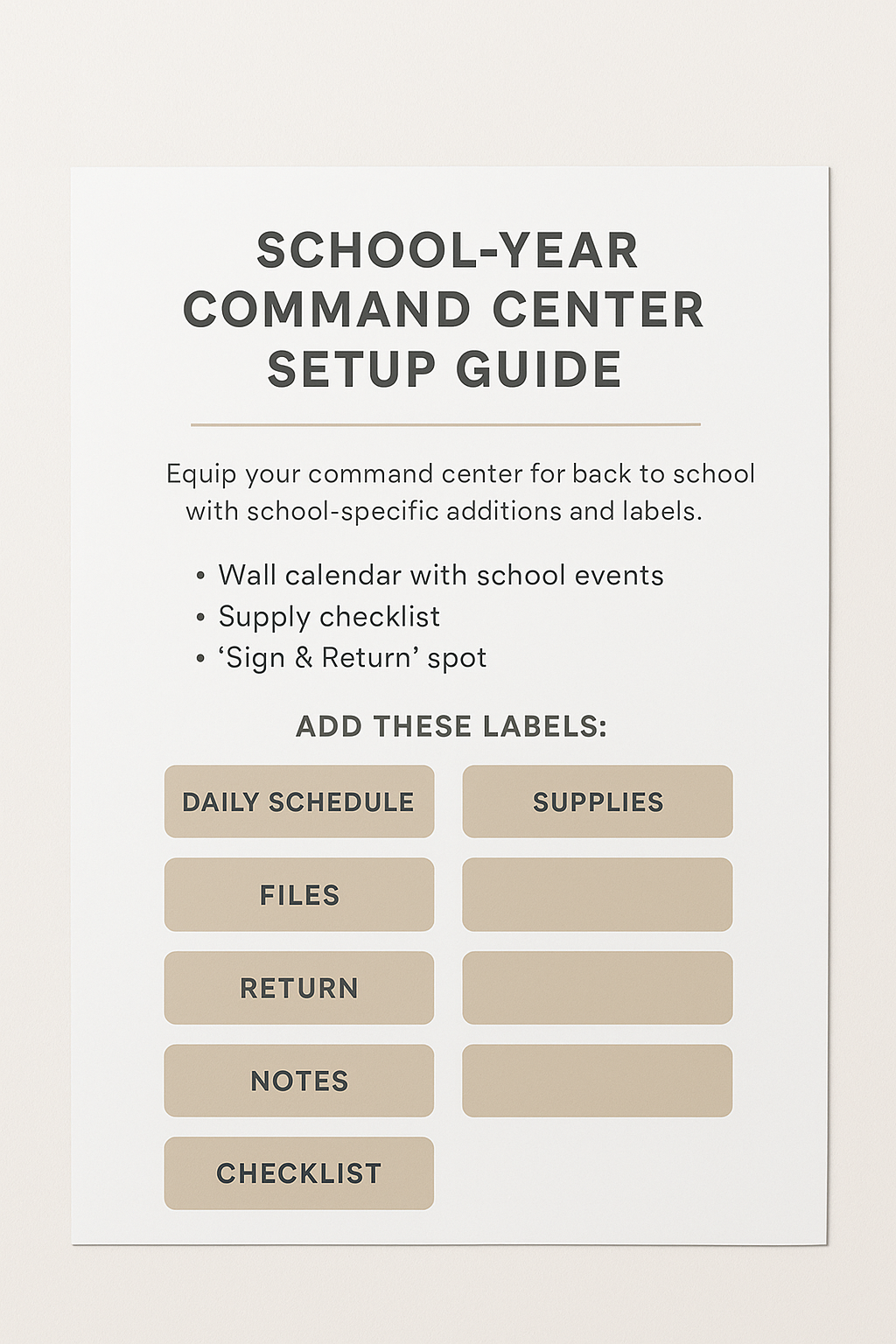
    📅 School-Year Additions to Your Command Center

    Upgrade your setup with school-specific tools that help everyone stay on the same page.

    ✅ Add These Essentials:

    • Wall calendar with school events, color-coded by child
    • Supply checklist for back-to-school needs or weekly refills
    • “Sign & Return” basket for field trips, homework folders, and permission slips
    • Daily schedule or after-school routine chart
    • Hanging file folders labeled by child or activity
    • Dry-erase notes board for reminders and rotating lists

    📝 Tip: Keep everything visible and simple. The goal is “at a glance” clarity.


    🧠 How to Make It ADHD/Kid-Friendly

    ADHD brains thrive on visual systemsconsistency, and clear zones—not hidden drawers and mystery bins.

    ✅ Action Steps:

    • Use picture labels for young kids or non-readers
    • Choose open bins instead of closed drawers for fast access
    • Install a hook or cubby per child (lowered to kid height!)
    • Use clear trays for papers so nothing gets forgotten
    • Set a daily 2-minute timer for “Command Center Reset”

    📝 Tip: Add a checklist to the wall: Backpack? Lunch? Shoes? Water? That’s your exit routine.


    🚫 Ways to Keep It From Becoming a Junk Pile

    The biggest risk of a command center? It turns into a clutter magnet. Here’s how to stop that before it starts:

    ✅ Declutter Rules:

    • Weekly reset (Sunday night is great): Toss outdated papers, restock supplies
    • No random items: Use a “Drop Zone” bin and clear it daily
    • Contain everything: Trays for paper, jars for pens, baskets for gear
    • One task = one tool: If it doesn’t serve the school/home workflow, it doesn’t live there

    📝 Tip: Give each family member a role in keeping the command center neat—kids love ownership.


    ✨ Final Thoughts

    When designed with intention, your command center becomes the heartbeat of your home—a place where info flows, papers land, and everyone knows what’s next.

    Start small, keep it visual, and refresh it regularly. You’ll go from chaos to clarity in just a few tweaks.


    👉 Call to Action

    Want a free School-Year Command Center Setup Guide + Printable Labels?
    📩 Comment below or head to HappyOrganized.me to grab your download and make your entryway or kitchen work for you this school year.


  • 🕰️ Time-Saving Tips for Moms During School Season

    How to Streamline Mornings, Evenings & Everything in Between

    Back-to-school season can feel like a tornado of schedules, snacks, and stuff. If you’re tired of running on empty before 9 AM, you’re not alone. The key to surviving—and thriving—is creating repeatable systems that save your brain and your time.

    Let’s simplify your days with real-life strategies that work, even for the busiest and most overwhelmed moms.


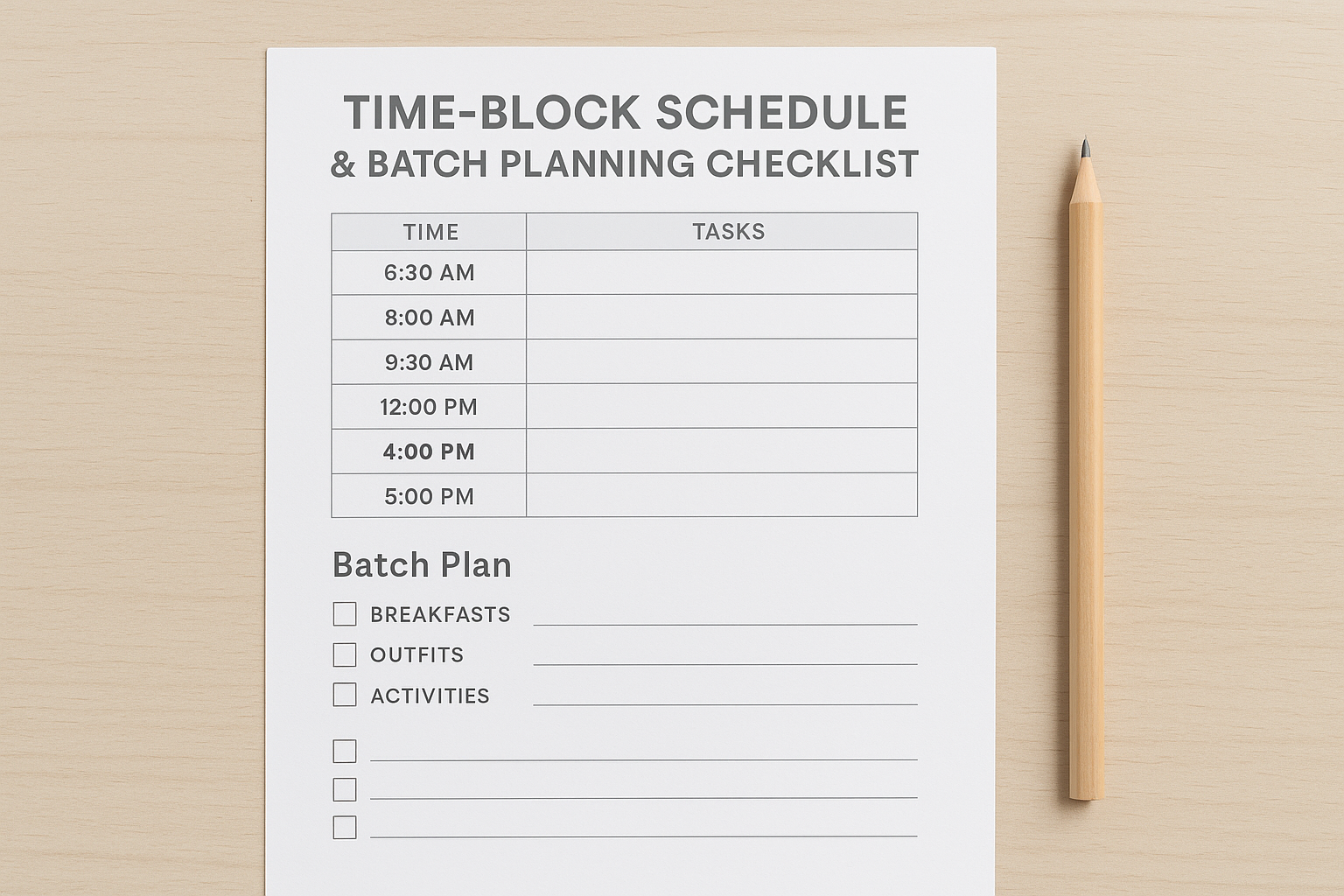
    🍳 Batch Plan Breakfast, Outfits & Activities

    Batching is the ADHD-friendly way to avoid decision fatigue and last-minute chaos.

    ✅ Breakfasts:

    • Create a rotating 5-day plan (ex: Muffin Monday, Toast Tuesday, Waffle Wednesday…)
    • Pre-cook and freeze breakfast burritos, egg cups, or pancakes
    • Use bins or baskets in the fridge labeled “Grab & Go”

    ✅ Outfits:

    • Pre-select 5 outfits per child on Sunday
    • Use hanging closet organizers or labeled bins (Mon–Fri)
    • Include socks, hair accessories, and shoes in one spot

    ✅ Activities:

    • Use a family calendar (color-coded by person) on a whiteboard or app
    • Pack activity bags the night before: dance shoes, library books, sports gear

    📝 Tip: Take 1 hour on Sunday to reset everything. Future You will say thank you.


    🕘 Create Time-Block Schedules That Flow

    Time blocking isn’t just for productivity gurus—it works beautifully for moms too.

    ✅ Create 4 Core Blocks:

    1. Morning Launch (6:30–8:00)
      • Wake up, breakfast, backpacks, school drop-off
    2. Midday Power Hours (9:00–2:00)
      • Work, errands, chores, appointments
    3. Afternoon Reset (2:00–5:00)
      • Pickups, snacks, homework help, quick tidy
    4. Evening Wind Down (5:00–8:00)
      • Dinner, baths, backpacks, bedtime routine

    📝 Tip: Use alarms or visual reminders to guide transitions gently.


    🤖 Automate As Much As Possible

    Don’t waste energy on things that can run themselves. Automate what you can and focus on what matters.

    ✅ What You Can Automate:

    • Grocery shopping: recurring delivery orders or pick-up lists
    • Chores: rotate tasks with a simple printable or app (ChoreMonster, Homey)
    • Lunch packing: kids pick from snack bins (see blog post #2!)
    • Weekly reset: same day/time each week to restock, clean out, and regroup

    📝 Tip: Set up auto-ship for household essentials like toilet paper, wipes, and vitamins.


    ✨ Final Thoughts

    You don’t need to do everything to be a great mom. You just need a few smart systems that keep the wheels turning—so you can show up calm, present, and ready for whatever the school year throws at you.

    Work smarter, not harder. You deserve peace too.


    👉 Call to Action

    Want a printable Time-Block Schedule Template + Batch Planning Checklist?
    📩 Comment below or head to HappyOrganized.me to grab your free download and start owning your time like a boss.


  • 📚 School Paper & Memory Organization

    How to Manage the Mountains of Paper Without Losing the Memories

    If your counters are buried in worksheets, permission slips, artwork, and spelling tests—you’re not alone. School paper clutter can pile up fast, especially when you have multiple kids.

    But here’s the good news: with a simple system, you can stay on top of the paper and preserve the memories that matter most.

    Let’s break it down into 3 easy steps: what to keep, what to toss, and how to make it meaningful.


    🗂️ What to Keep, Toss, or Digitize

    Not all school papers are worth saving—but the special ones are absolutely worth preserving.

    ✅ KEEP:

    • Report cards
    • Handwritten stories
    • Artwork that shows personality or effort
    • Special awards, certificates, and recognitions
    • Notes to/from teachers
    • Anything with emotional or growth value

    ❌ TOSS (with love):

    • Daily worksheets or homework pages
    • Blank or copied coloring pages
    • Repetitive assignments
    • Math drills or spelling lists
    • Anything you’re keeping out of guilt

    📷 DIGITIZE:

    • Art or bulky projects (snap a pic and toss)
    • Anything your child wants to save “just in case”
    • Group projects or posters that won’t store well

    📝 Tip: Use your phone + a cloud folder or try an app like Keepy or Artkive.


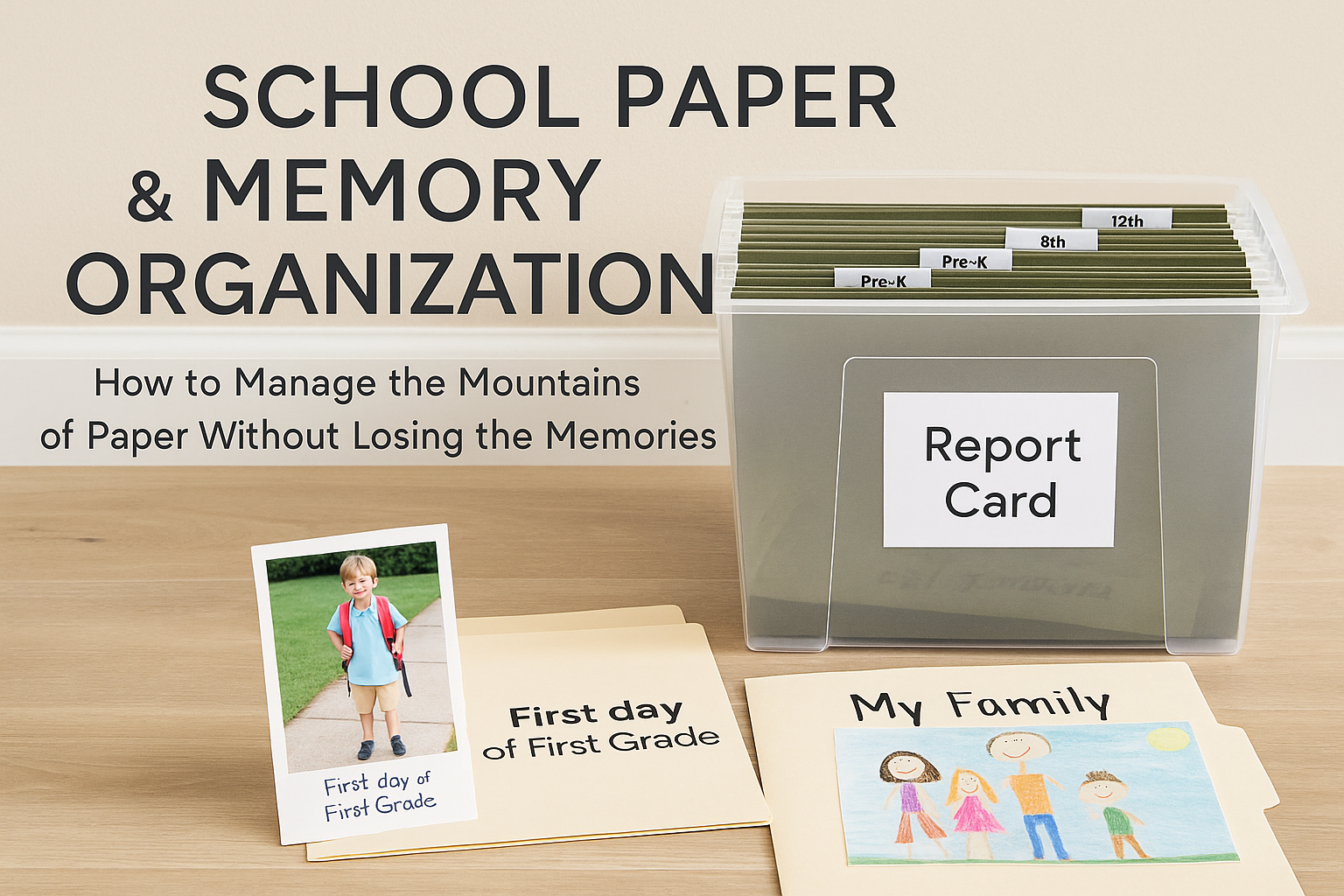
    🎒 Create a School Memory Bin by Grade

    Instead of throwing everything in a big box or binder, create a simple, labeled bin system that you can update each year.

    ✅ Supplies You Need:

    • One large plastic bin per child
    • Hanging file folders or large envelopes
    • Label each folder by grade (Pre-K through 12th)

    ✅ What to Include Each Year:

    • First/last day photo
    • Favorite piece of writing/art
    • Report card
    • Year-end school photo or class pic
    • Short reflection or quote from your child

    📝 Tip: Let your child help choose what to keep. It makes it fun, not just a parent task.


    🔁 Weekly Paper Sort Routine

    The secret to keeping it manageable? Don’t let it pile up.
    Set a weekly “Sort & Save Sunday” (or whatever day works for you).

    ✅ 3-Basket System:

    • Review (papers you need to read or sign)
    • Recycle (junk or daily work)
    • Remember (keepers for memory bin or display)

    Post a checklist or even use a mail sorter by the door or fridge.

    📝 Tip: Keep a “Temporary Display” zone (bulletin board or fridge) that rotates weekly.


    ✨ Final Thoughts

    You don’t have to save everything to honor their childhood. You just need a system that helps you choose what matters, and let go of the rest. Your future self (and your kids) will thank you.


    👉 Call to Action

    Want a free School Memory Bin Setup Guide + Printable Labels?
    📩 Comment below or visit HappyOrganized.me to download your set and simplify the paper chaos for good.


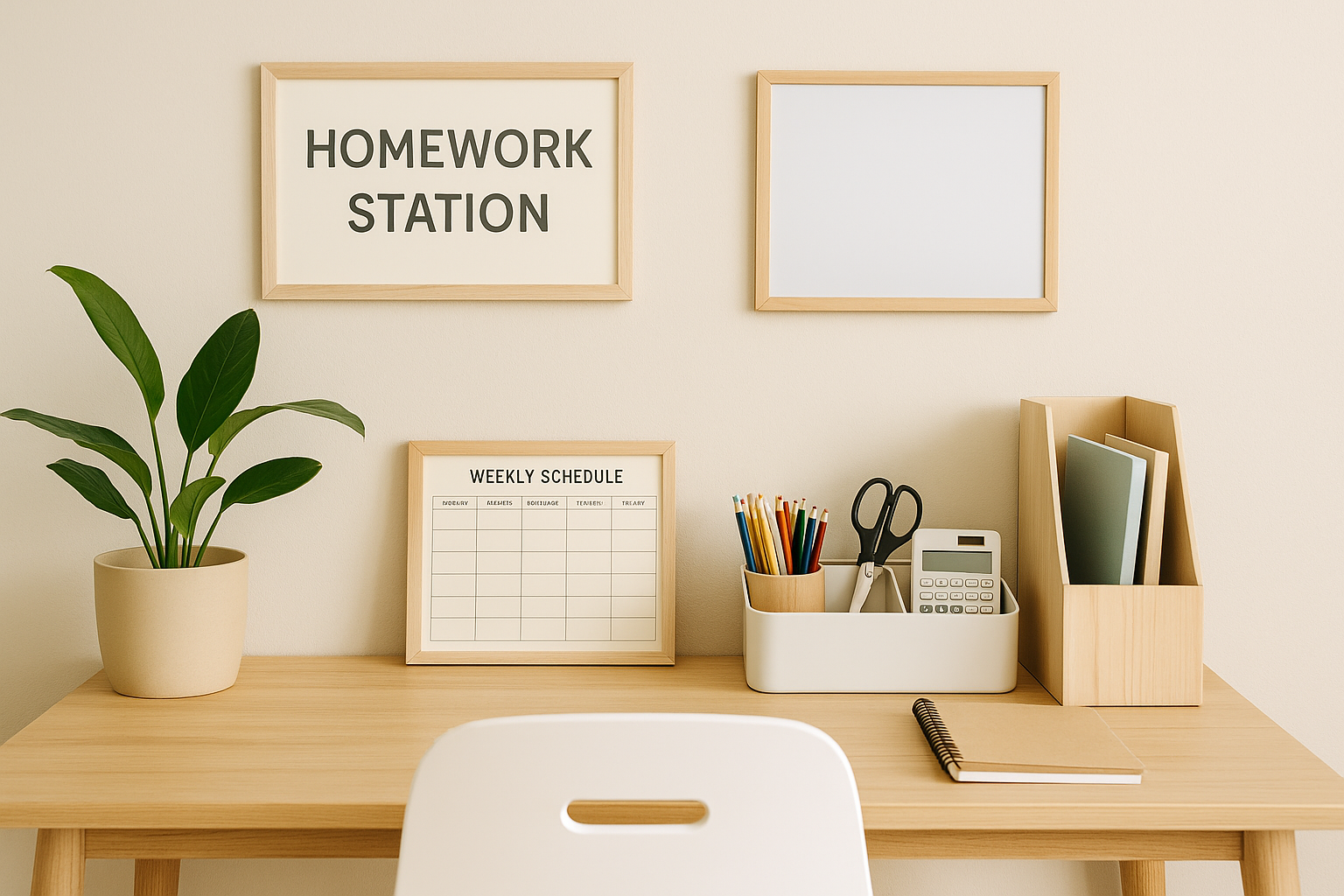
  • 🗂️ Homework Stations That Inspire Focus

    Simple, Age-Friendly Setups That Help Kids Stay on Task (Without Nagging)

    Homework time doesn’t have to be a daily battle. Whether you’ve got a kindergartener learning to color inside the lines or a teen juggling deadlines, the right environment can make all the difference.

    By creating a focused, flexible space tailored to your child’s age or learning style, you’ll build more than just good habits—you’ll foster confidence and independence.


    🧠 Setups by Age or Learning Style

    Your child’s stage and learning preferences should guide how you set up their homework space.

    ✅ Preschool to 1st Grade:

    • Use the kitchen table or a low table near you for supervision
    • Include crayons, scissors, glue, and a comfy seat
    • Keep it short and visual: one task at a time

    📝 Tip: Use a picture-based checklist so they can “see” their progress


    ✅ Grades 2–5:

    • Small desk or dedicated spot in a quiet corner
    • Include basic supplies, a timer, and room for a water bottle or fidget
    • Minimize visual clutter, but keep it inviting with a lamp or fun print

    📝 Tip: Use a checklist + reward system (like stickers or screen time bank)


    ✅ Middle School & Up:

    • Private desk or nook—even a corner in their room works
    • Tech-friendly: earbuds, charging station, Chromebook area
    • Post weekly planner or a whiteboard calendar nearby

    📝 Tip: Let them personalize it—it’s about ownership, not perfection


    🛒 DIY Portable Homework Caddies

    Not everyone has space for a full desk—and that’s OK. A portable caddy is a game-changer, especially for ADHD kids or multi-use spaces.

    ✅ What to Include:

    • Pencils, markers, scissors, glue
    • Post-its, highlighters, ruler
    • Headphones, calculator, index cards
    • A checklist or visual routine
    • Optional: fidget toy, timer, reward cards

    📝 Tip: Use a rolling cart, craft box, or divided bin. Label everything clearly!


    🚫 How to Reduce Distractions & Encourage Independence

    Helping your child stay focused doesn’t mean hovering. It’s about creating the right system and then letting them practice responsibility within it.

    ✅ Action Steps:

    • Use a visual timer (Time Timer, sand timer, or Pomodoro app)
    • Break tasks into smaller steps
    • Allow short brain breaks between assignments
    • Set up “start + finish” trays so they can manage their own workflow
    • Praise effort, not just results

    📝 Tip: Avoid multitasking spaces (TV room, kitchen during dinner). Quiet + light = better focus.


    ✨ Final Thoughts

    You don’t need a Pinterest-perfect study room—just a thoughtful space that helps your child feel capable and in control. The best homework station is the one that works for your family.

    Structure supports freedom. Routines reduce stress. And a few small shifts can lead to big results.


    👉 Call to Action

    Want a free Homework Station Setup Checklist by Age?
    📩 Comment below and help your child focus with more confidence and less chaos.

  • 🍱 Lunchbox Prep Without the Stress

    Simple Systems and Fun Ideas to Make School Lunches Easier (for Everyone)

    Packing lunches doesn’t have to be a dreaded chore. With a little planning and a few ADHD- and mom-friendly systems, you can take the stress out of the lunchbox hustle—and even get your kids involved.

    Here’s how to make lunches faster, easier, and maybe even fun with simple prep strategies and creative ideas.


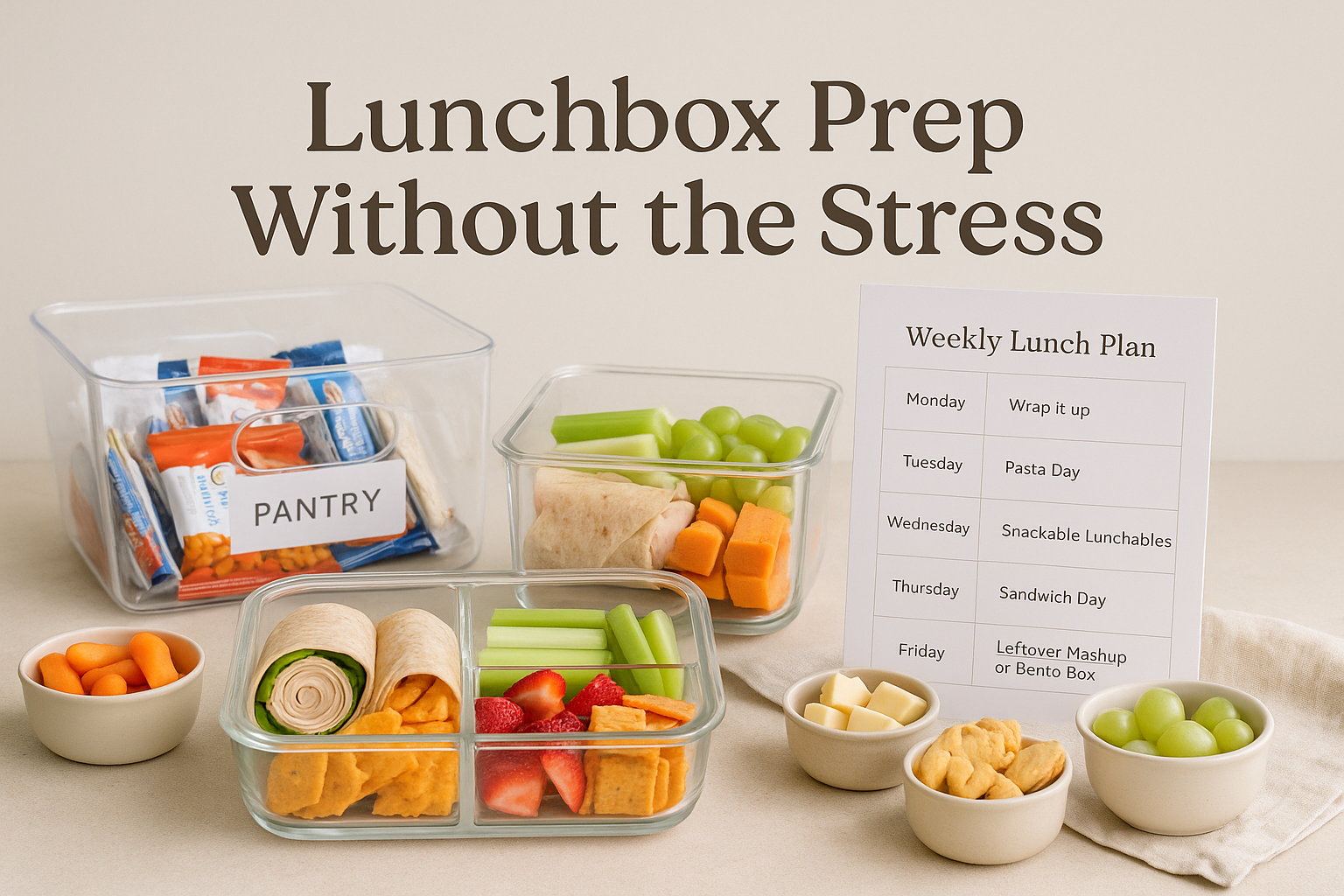
    🧺 Easy Lunch Systems for the Whole Week

    A weekly lunch system saves your future self so much decision fatigue.

    ✅ Action Steps:

    • Pick a lunch theme for each day of the week
      Example:
      • Monday – Wrap it up (wraps or pinwheels)
      • Tuesday – Pasta Day
      • Wednesday – Snackable Lunchables
      • Thursday – Sandwich Day
      • Friday – Leftover Mashup or Bento Box
    • Batch prep base ingredients on Sunday
      • Cook and portion pasta, rice, or hard-boiled eggs
      • Pre-wash and cut fruit and veggies
      • Portion cheese sticks, hummus, or crackers
    • Use bento-style containers with clear sections to keep things organized and appealing.

    📝 Tip: Rotate just 2–3 core items each week to keep it simple and consistent.


    🥕 Healthy Snack Bins Kids Can Pack Themselves

    Let kids take part in packing lunch by giving them visual choice + control.

    ✅ Action Steps:

    • Create two labeled bins (fridge + pantry):
      • Fridge bin: yogurt, string cheese, fruit, veggie cups, hard-boiled eggs
      • Pantry bin: granola bars, trail mix, popcorn bags, dried fruit
    • Color-code by food group or sticker label by category:
      • Choose 1 protein, 1 fruit, 1 crunchy snack, etc.
    • Set a simple rule: “Pick one from each bin before bed.”

    📝 Tip: Use see-through containers and keep the bins at kid-eye level.


    🎨 Themed Lunch Ideas That Make It Fun

    Injecting a little creativity goes a long way in getting kids to eat what you pack.

    ✅ Ideas to Try:

    • Color Day:
      Pack everything in a single color (green grapes, spinach wrap, cucumber slices, pistachios)
    • Snackable Bento:
      A little of everything—crackers, cheese cubes, cherry tomatoes, turkey roll-ups, mini cookies
    • DIY Lunchables:
      Pack build-your-own sandwich or taco kits using silicone cups or sectioned containers
    • Shape Themes:
      Use cookie cutters to cut fruit or sandwiches into hearts, stars, or dinosaurs
    • Note or joke of the day:
      A simple sticky note or silly doodle goes a long way for connection

    📝 Tip: You don’t have to go “Pinterest Perfect”—fun and functional wins every time.


    ✨ Final Thoughts

    Lunch doesn’t have to be fancy to be successful—it just needs a system. With snack bins, theme days, and batch-prep hacks, you can turn lunchbox chaos into calm.

    The real win? You save time, reduce stress, and empower your kids to help in the process.


    👉 Call to Action

    Want a free Weekly Lunch Plan Template + Snack Bin Labels?
    📩 Comment below make lunchbox prep one less thing to worry about.

  • 🧠 ADHD-Friendly School Routines

    Simple Strategies to Calm the Chaos and Support Your Child’s Success

    Back-to-school routines can feel like pure chaos—especially if you’re parenting a child with ADHD. From lost shoes to forgotten homework, the struggle is real. But with the right structure and tools, your mornings and evenings can become smoother, calmer, and more consistent.

    Let’s break it down into simple, actionable steps that actually work for ADHD brains.


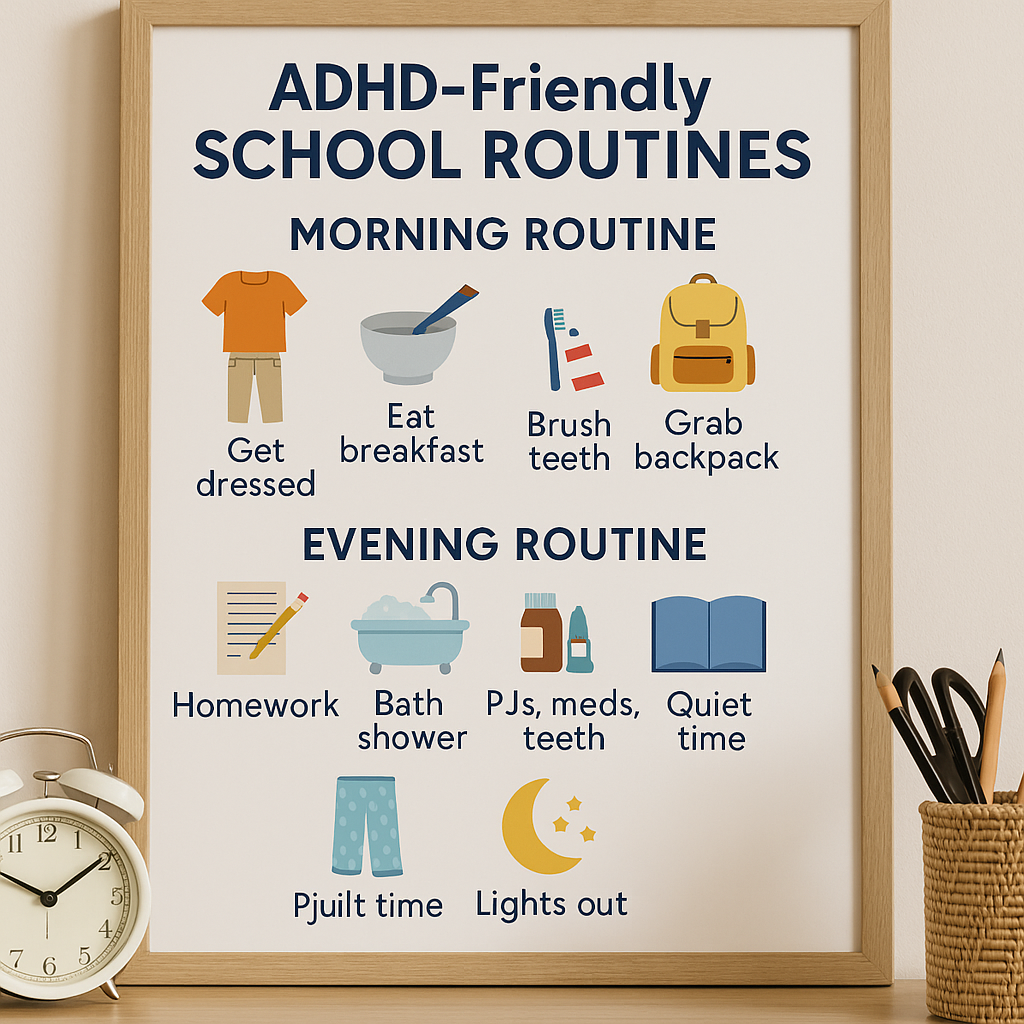
    🌅 Morning Routine for ADHD Kids

    Mornings are often the most stressful part of the day—but they don’t have to be. The key is structure + visual cues + gentle time boundaries.

    ✅ Action Steps:

    • Create a visual checklist (pictures + words) with 5–7 steps:
      • Get dressed
      • Eat breakfast
      • Brush teeth
      • Grab backpack
      • Put on shoes
    • Use a morning timer (like a visual countdown clock or a song playlist) to guide transitions.
    • Prep the night before:
      • Outfit laid out
      • Backpack by the door
      • Lunch packed

    📝 Tip: Praise progress, not perfection. “You got dressed before the timer! Awesome job!”


    🌙 Evening Routine for ADHD Kids

    Evenings are your chance to reset. ADHD brains thrive on predictability, so try to keep the order of tasks the same—even if the time flexes.

    ✅ Action Steps:

    • Use a visual or color-coded routine chart for bedtime:
      • Homework
      • Dinner
      • Free time
      • Bath/shower
      • PJs, meds, teeth
      • Quiet time or reading
      • Lights out
    • Build in a wind-down buffer (ADHD kids struggle with abrupt transitions). Use calming cues like a lavender diffuser, soft lighting, or relaxing music.
    • Set a “Backpack Reset” timer (5–10 minutes) to pack for tomorrow:
      • Homework folder
      • Water bottle
      • Signed papers
      • Show-and-tell, permission slips, etc.

    📝 Tip: Let your child help design the chart—it boosts buy-in and ownership.


    🎒 Backpack Organization Hacks for Distractible Brains

    A cluttered backpack = forgotten work, lost supplies, and major frustration.

    ✅ Action Steps:

    • Choose a backpack with clear compartments (not just a deep pit).
    • Use zippered pouches or color-coded folders for:
      • Homework
      • Notes to parents
      • Supplies
    • Label everything (yes, everything)—binders, pouches, notebooks, water bottles.
    • Empty and reset the backpack weekly as a family habit.

    📝 Tip: Use a checklist clipped to the backpack or inside a clear pouch for daily reminders.


    ✨ Final Thoughts

    ADHD brains aren’t disorganized—they’re just wired differently. With visual supports, consistent rhythms, and a little creativity, your mornings and evenings can feel less reactive and more intentional.

    You’re not just building routines—you’re building confidence, peace, and independence.


    👉 Call to Action

    Need help creating a custom visual schedule or want a printable version of these routines?
    📩 Comment below make back-to-school smoother for everyone.